Bolo Mask


1 of 3
Object Label
According to Bobo beliefs, the god Wuro created the world and then appointed his son, Dwo, assist humanity. All Bobo masks serve as a means of contact between human beings and these deities; some represent the deities themselves while others, called bolo masks, depict animals and people. Bolo masks such as this one are usually danced for entertainment.
Caption
Bobo. Bolo Mask, early 20th cenutry. Wood, pigment, fiber, 45 1/2 x 14 x 13 in. (115.6 x 35.6 x 33 cm). Brooklyn Museum, Gift of Mr. and Mrs. Gustave Schindler, 58.184. (Photo: Brooklyn Museum)
Gallery
Not on view
Collection
Gallery
Not on view
Collection
Culture
Title
Bolo Mask
Date
early 20th cenutry
Geography
Place made: Taguna region, Burkina Faso
Medium
Wood, pigment, fiber
Classification
Dimensions
45 1/2 x 14 x 13 in. (115.6 x 35.6 x 33 cm)
Credit Line
Gift of Mr. and Mrs. Gustave Schindler
Accession Number
58.184
Frequent Art Questions
What is this mask for? How does it still have hair if it is ancient?
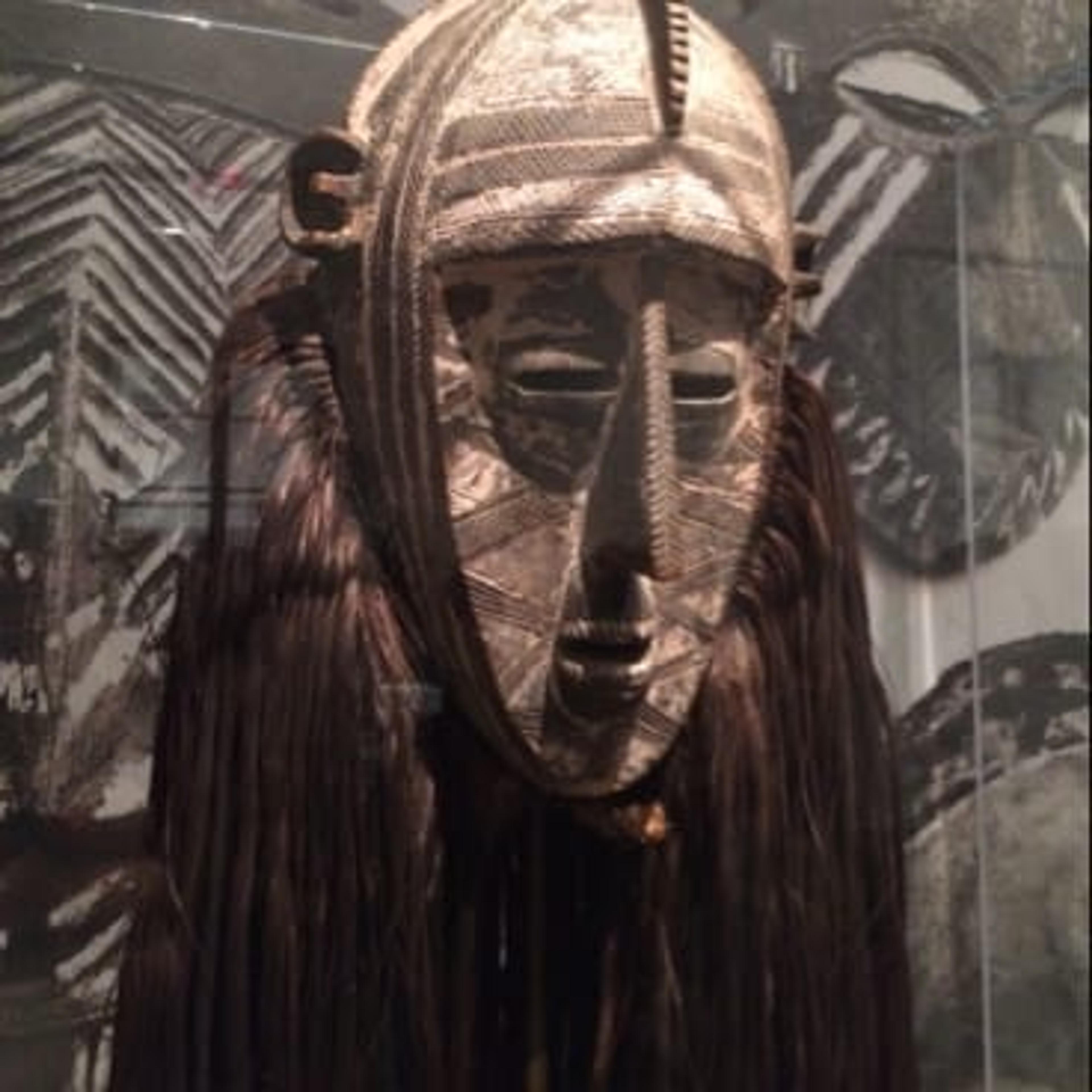 The Bolo mask by a Bobo artist would have been worn in a performance meant to entertain the community. This performance tradition was created in the 20th century in response to a request by colonial government officials that the Bobo produce a mask for entertainment at official functions and national holidays.The horns at the top of the mask likely represent an antelope, and they reference the specific clan that would have owned this mask.I love masks like this because they illustrate that not all masks are "traditional" and masquerade is always and growing even in modern days.
What is the specific fiber that is "hair" made of?
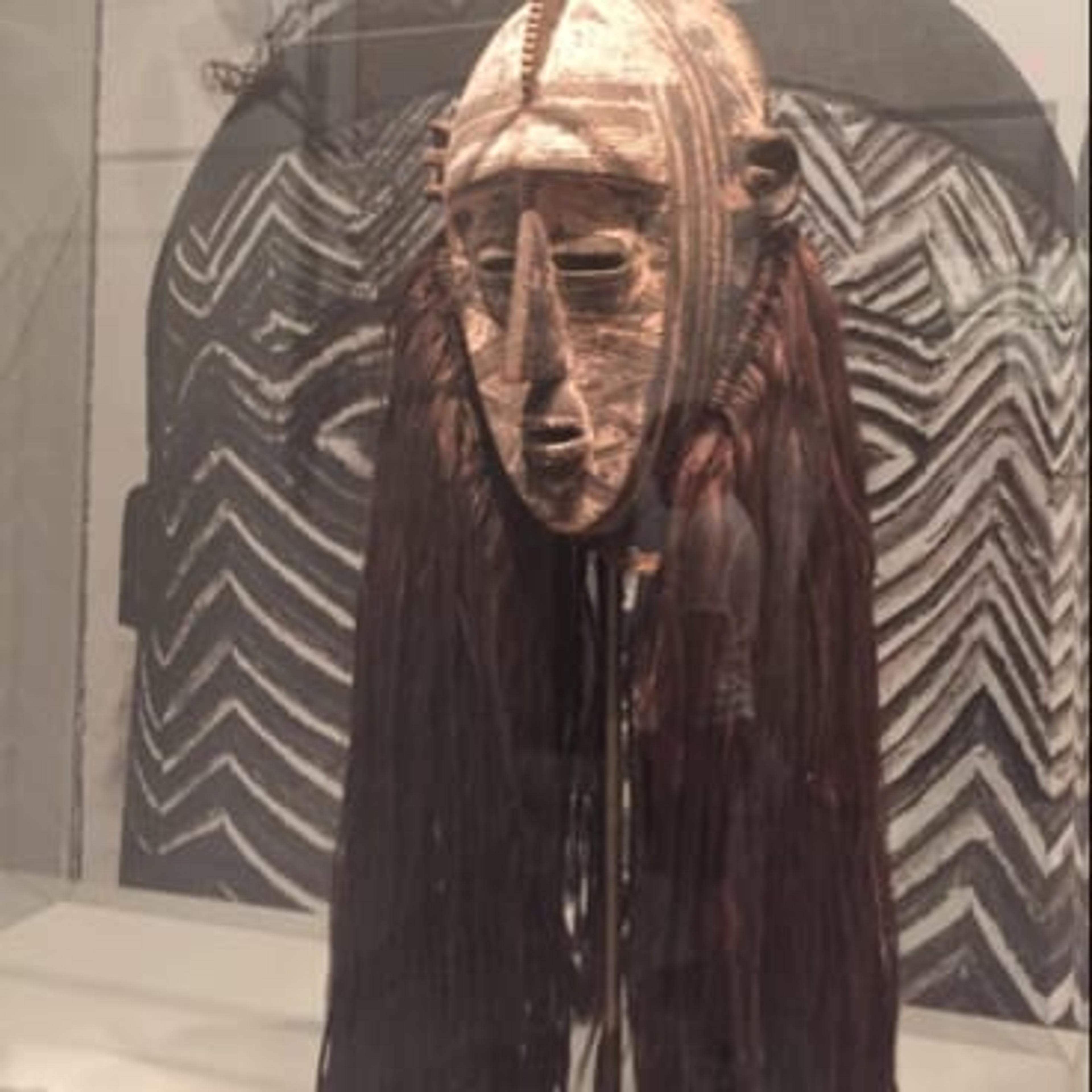 The fibers in question are natural plant fibers. Although conservation hasn't taken a sample and done microscopic fiber ID of the material conservators speculate the fibers are from the Sansevierio plant. A species of this plant is native to Africa (Sansevierio Liberica).
Have information?
Have information about an artwork? Contact us at