Vacuum Cleaner
1 of 3
Object Label
Caption
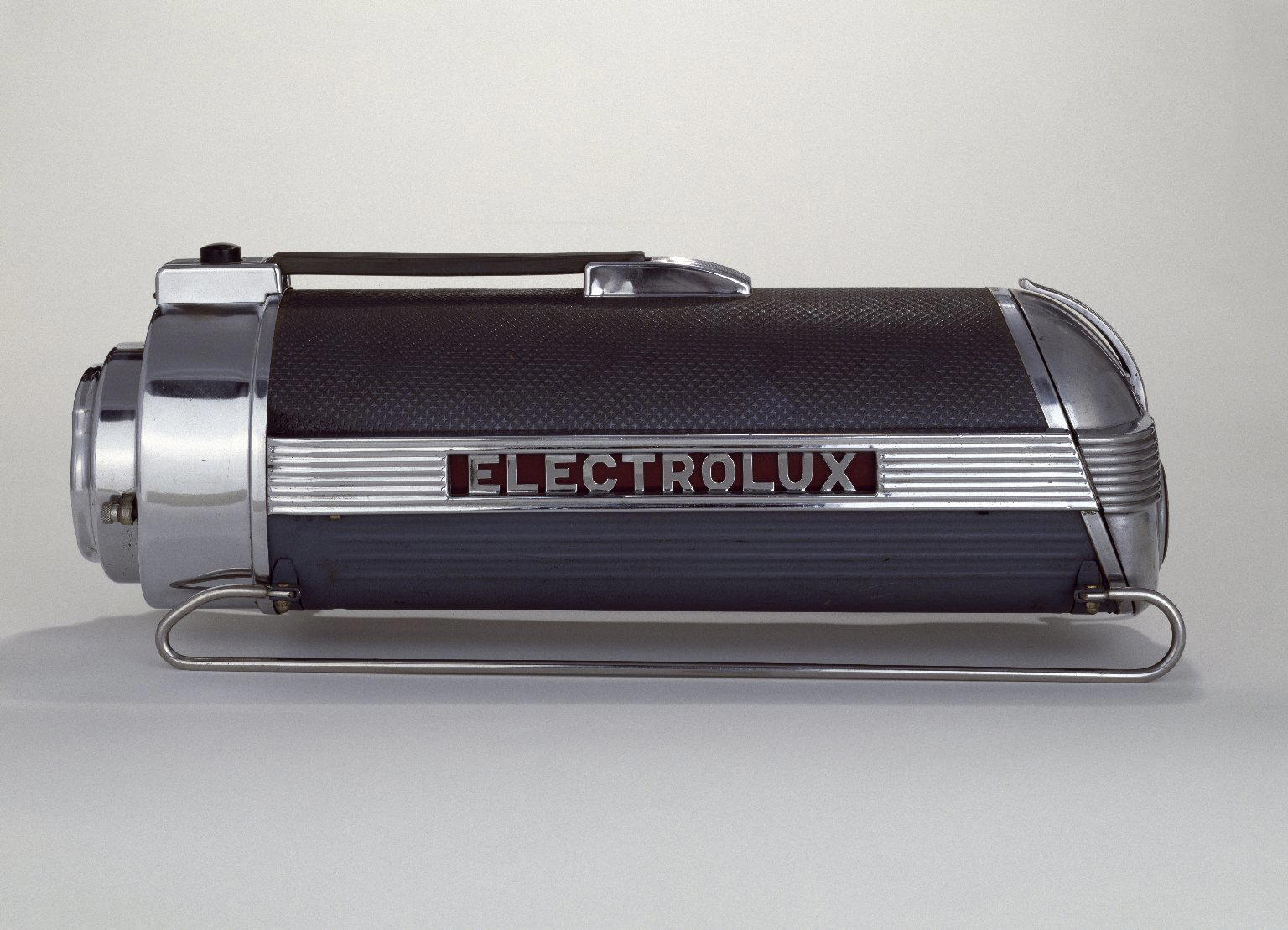
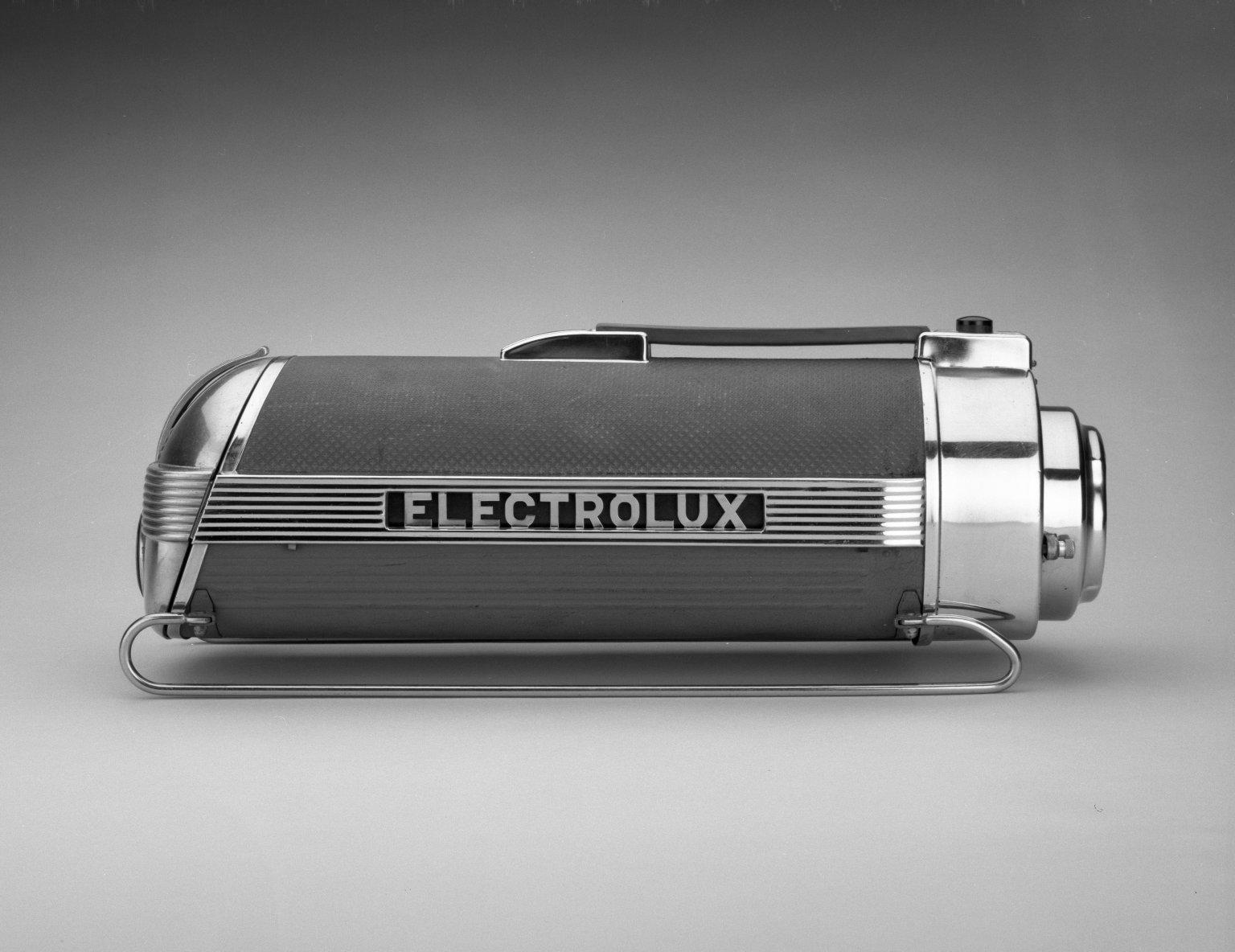
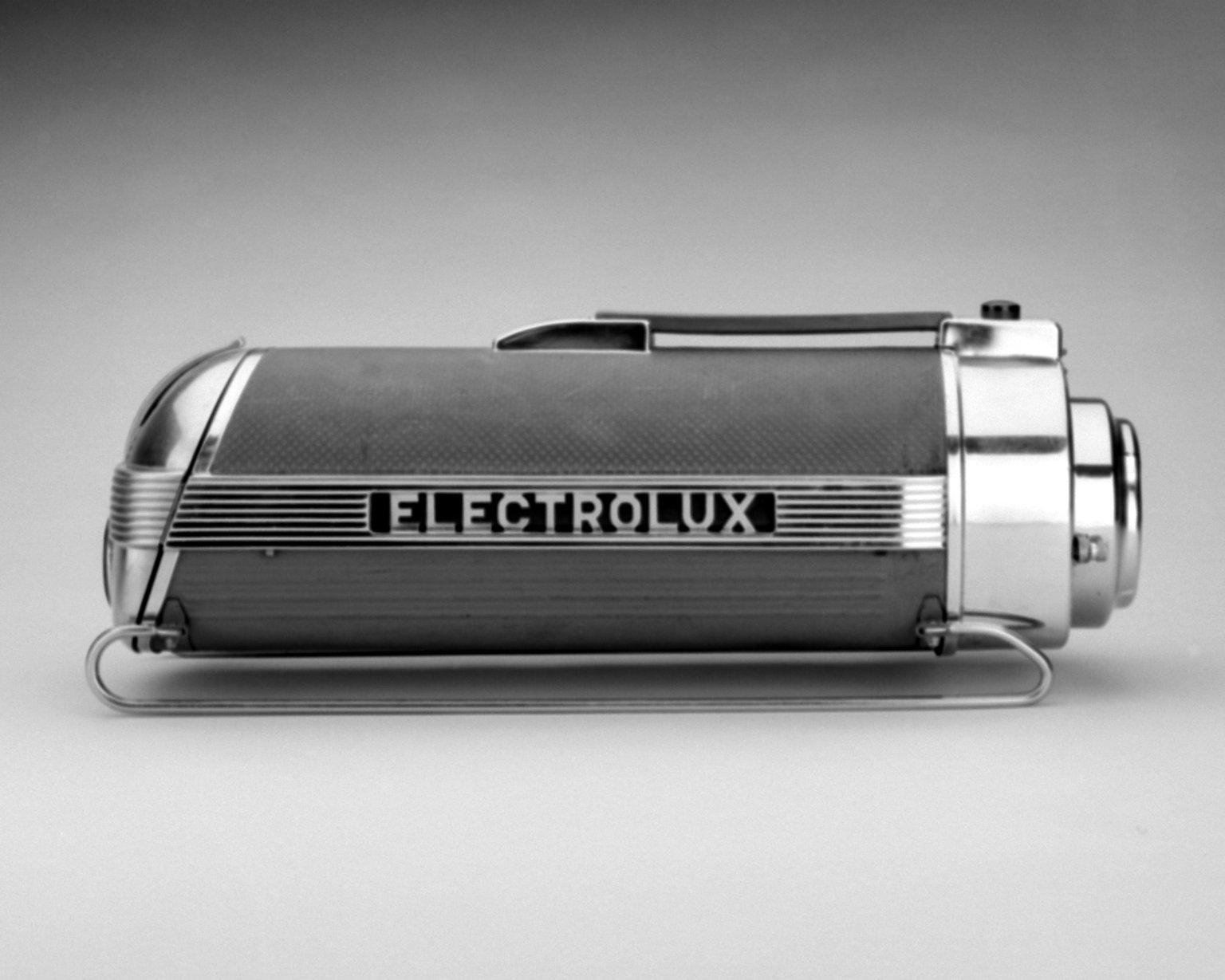
Lurelle Guild (American, 1898–1985). Vacuum Cleaner, ca. 1937. Chromed, polished and enameled steel; cast aluminum; vinyl; rubber, 8 1/2 x 23 x 7 3/4 in. (21.6 x 58.4 x 19.7 cm). Brooklyn Museum, Gift of Fifty/50, 86.15a-f. (Photo: Brooklyn Museum)
Designer
Manufacturer
Title
Vacuum Cleaner
Date
ca. 1937
Geography
Place manufactured: Dover, Delaware, United States
Medium
Chromed, polished and enameled steel; cast aluminum; vinyl; rubber
Classification
Dimensions
8 1/2 x 23 x 7 3/4 in. (21.6 x 58.4 x 19.7 cm)
Signatures
no signature
Inscriptions
no inscriptions
Markings
Pressed into metal band on top: "K75892R". Opposite , on under side of bass: "MODEL XXX D. C. TO 60 CYCLES A.C. 115 VOLTS-535 WATTS". Molded into underside of blue canister: "UL" Both sides of canister with band with raised letters: "ELECTROLUX"
Credit Line
Gift of Fifty/50
Accession Number
86.15a-f
Frequent Art Questions
Is there any information about this?
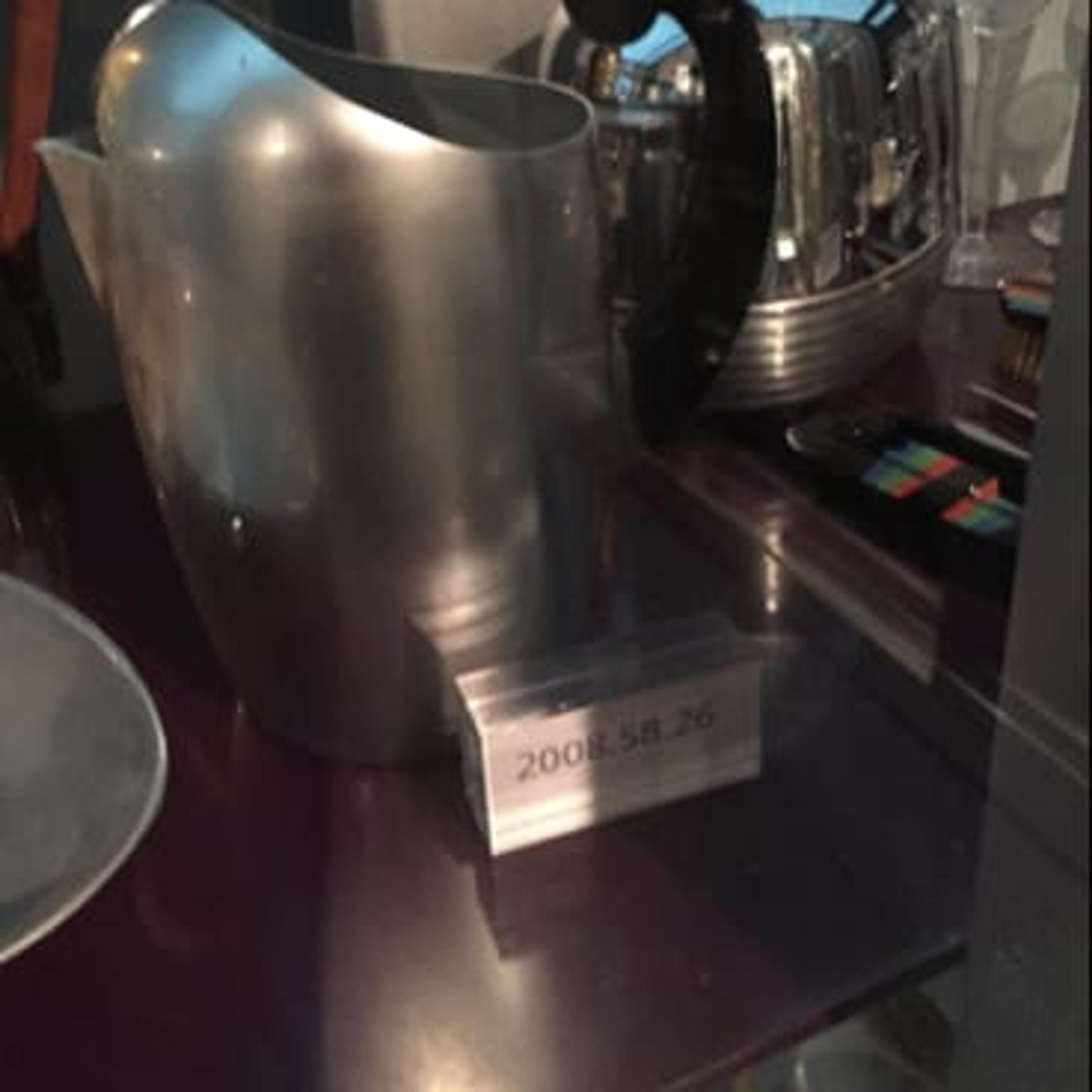 That is a really unusually shaped pitcher! It was manufactured circa 1955 by The Aluminum Cooking Utensil Company in New Kensington, Pennsylvania. The designer was Lurelle Guild, who also designed he Electrolux Vacuum Cleaner, also on view in the Luce Center.Thanks!You're welcome!
What's this?
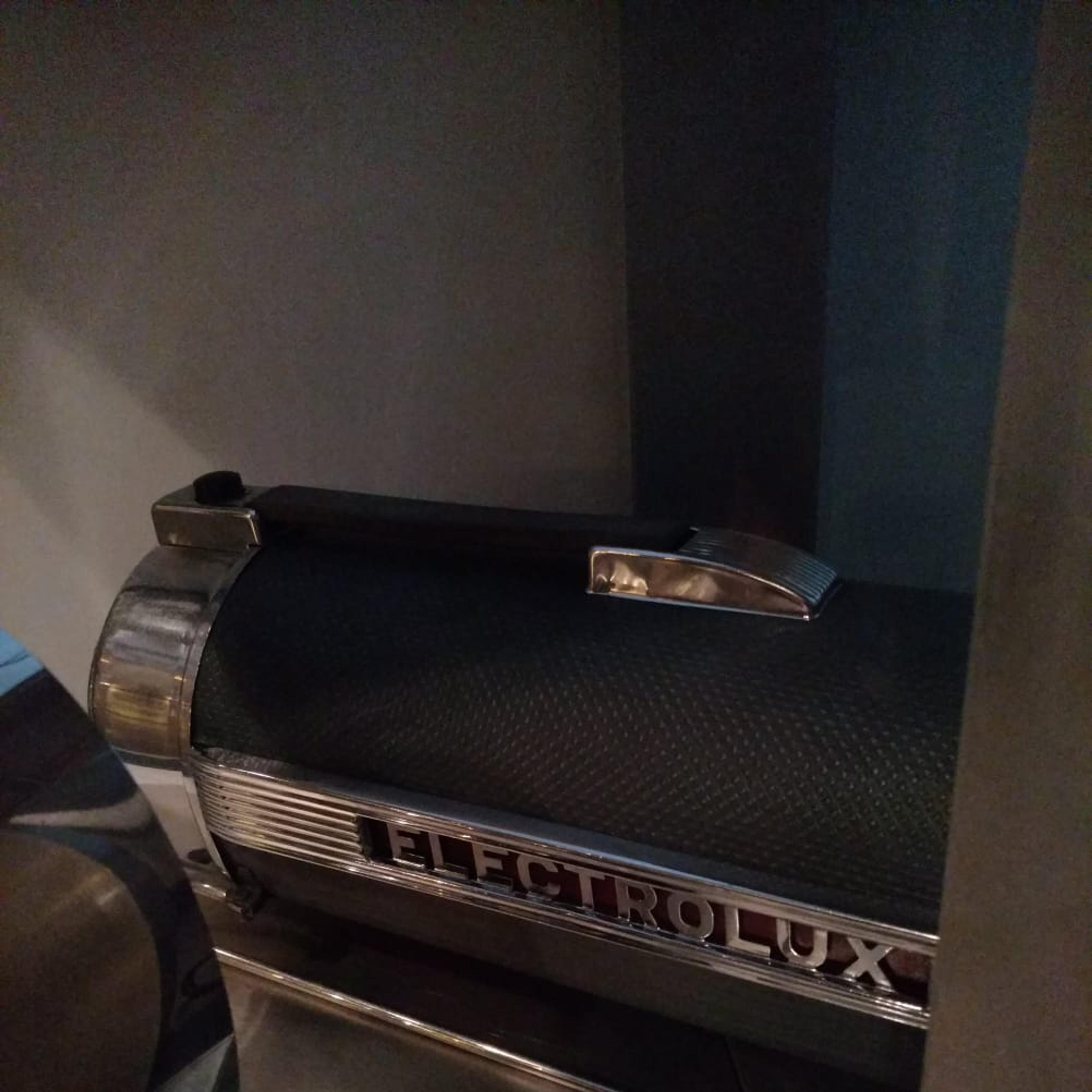 This is a vacuum designed in the 1930s. It's aerodynamic shape was influenced by that era's interest in speed. During the Great Depression, industrial designers were hired to "style" existing products to make them look more advanced and desirable. This encouraged people to spend money, which helped the economy recover.Notice that it has a sled-like glider on the bottom instead of wheels!
Have information?
Have information about an artwork? Contact us at