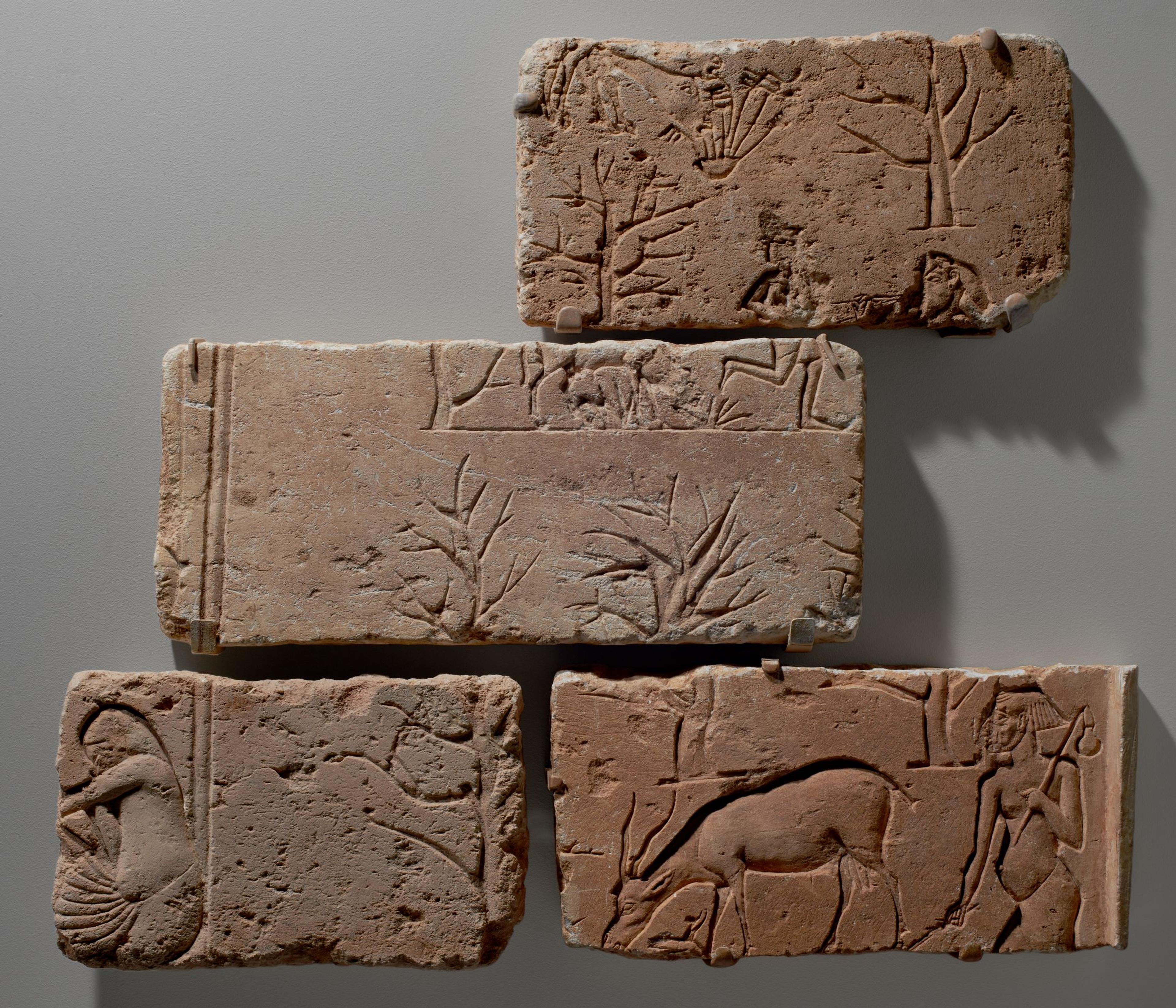
Relief Representation of Goatherd with Goat and Trees

Brooklyn Museum photograph
About this Brooklyn Icon
The Brooklyn Museum is commemorating its 200th anniversary by spotlighting 200 standout objects in its encyclopedic collection.
This serene scene of natural beauty is made up of limestone blocks, or talatats, that were separated and scattered for thousands of years. Now reunited, they form the largest example of a talatat relief scene in North America.
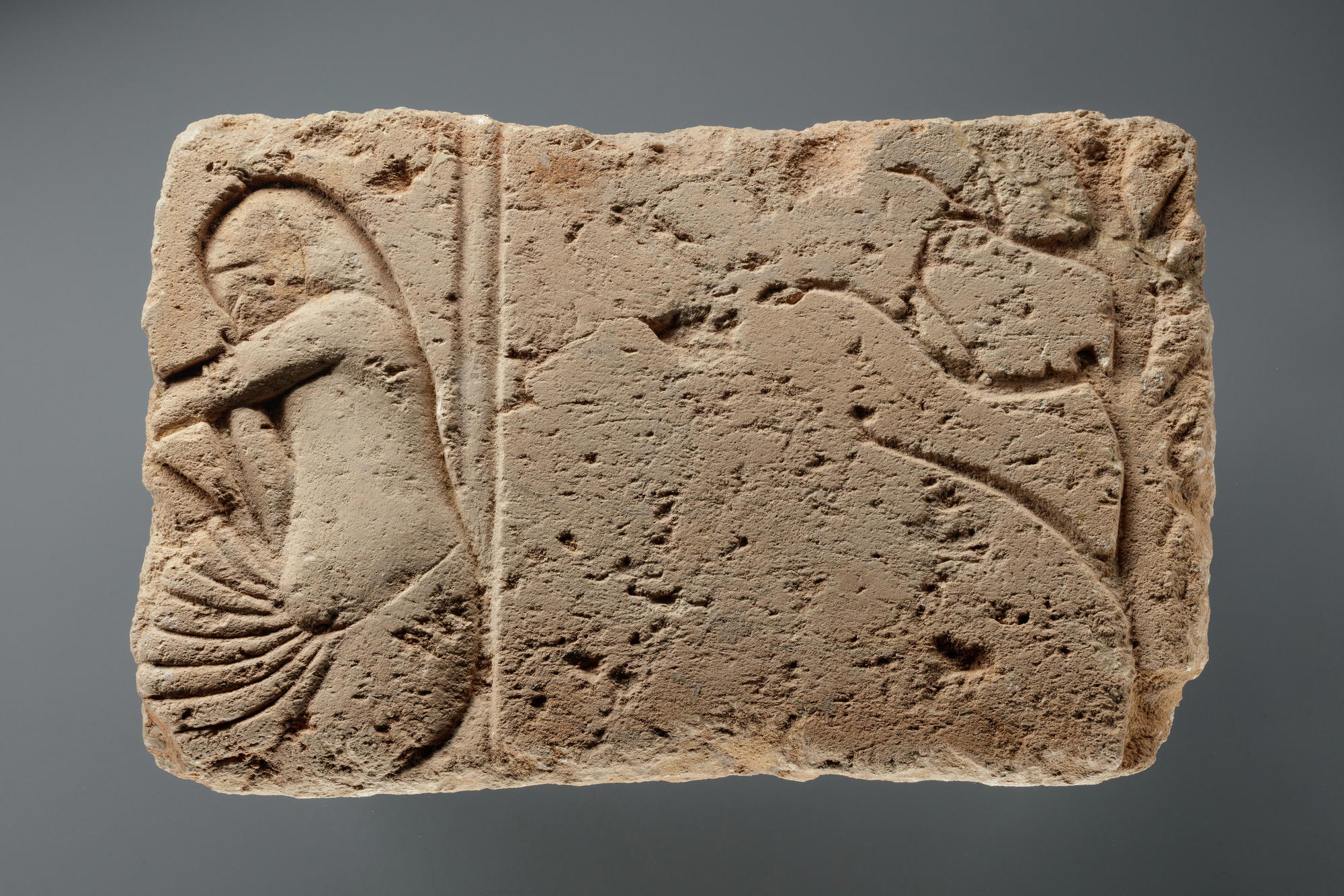
Talatat blocks date exclusively to the reign of the ancient Egyptian king Akhenaten. During his rule, Akhenaten initiated ambitious building projects at Karnak Temple and his new city of Amarna. Talatats are of standard size, which allowed the ancient Egyptians to speedily erect legions of structures for their king.
After Akhenaten’s reign, his city and temples were dismantled. Successive rulers reused the talatats from those structures as the foundations and fillings of their own monuments. These four blocks were found at Hermopolis, across the Nile River from Amarna, reused in temples built by Ramesses II.
Object Label
Caption
Relief Representation of Goatherd with Goat and Trees, ca. 1350–1333 B.C.E.. Limestone, 8 1/4 x 16 3/4 x 2 1/2 in., 22.5 lb. (21 x 42.5 x 6.4 cm, 10.21kg). Brooklyn Museum, Gift of the Ernest Erickson Foundation, Inc., 86.226.30. (Photo: Brooklyn Museum)
Tags
Title
Relief Representation of Goatherd with Goat and Trees
Date
ca. 1350–1333 B.C.E.
Dynasty
late Dynasty 18
Period
New Kingdom, Amarna Period
Geography
Place modified: Hermopolis, Egypt, Reportedly from: Tell el-Amarna, Egypt
Medium
Limestone
Classification
Dimensions
8 1/4 x 16 3/4 x 2 1/2 in., 22.5 lb. (21 x 42.5 x 6.4 cm, 10.21kg)
Credit Line
Gift of the Ernest Erickson Foundation, Inc.
Accession Number
86.226.30
Have information?
Have information about an artwork? Contact us at