Tunic
Inca
1 of 3
Object Label
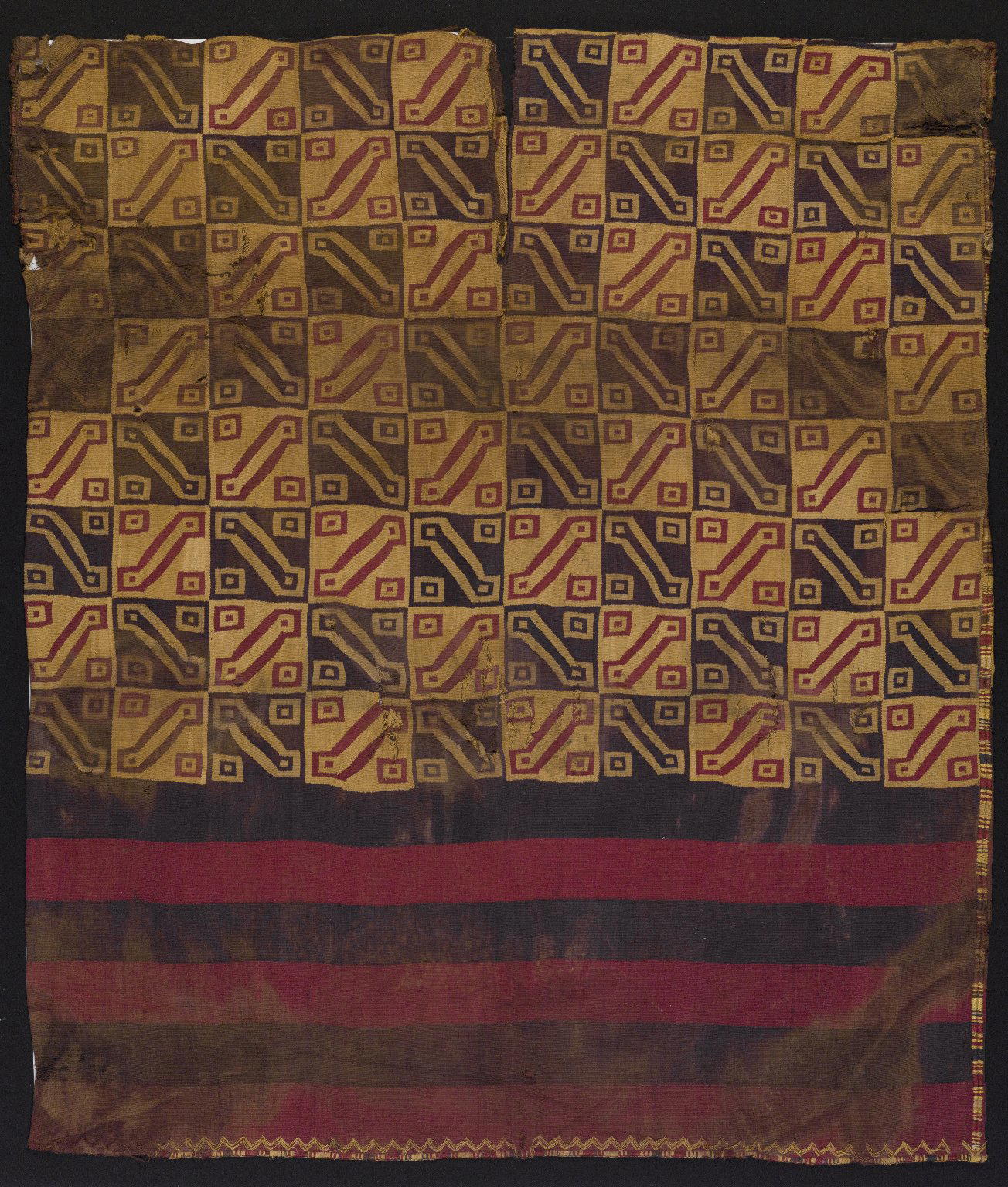
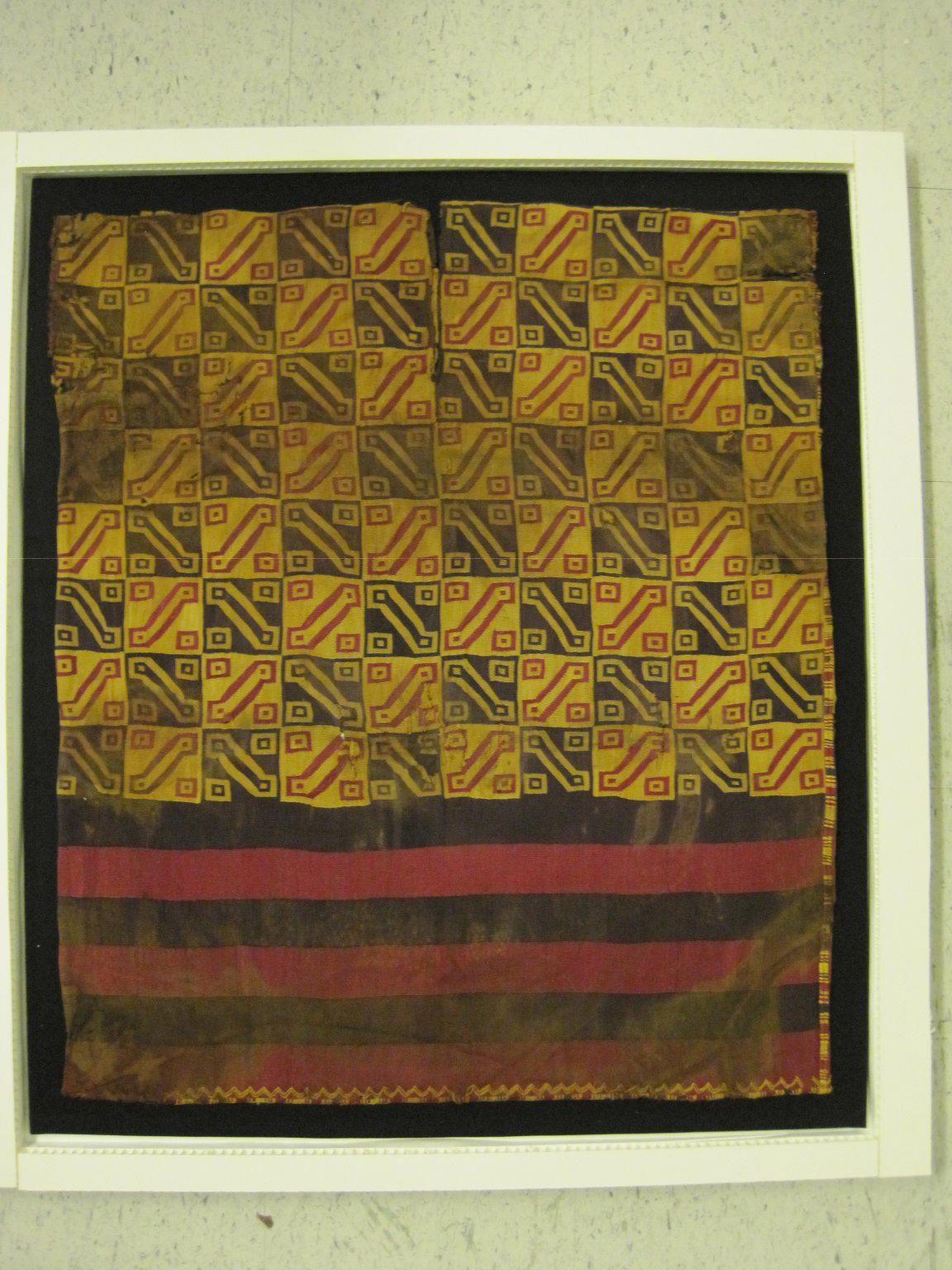
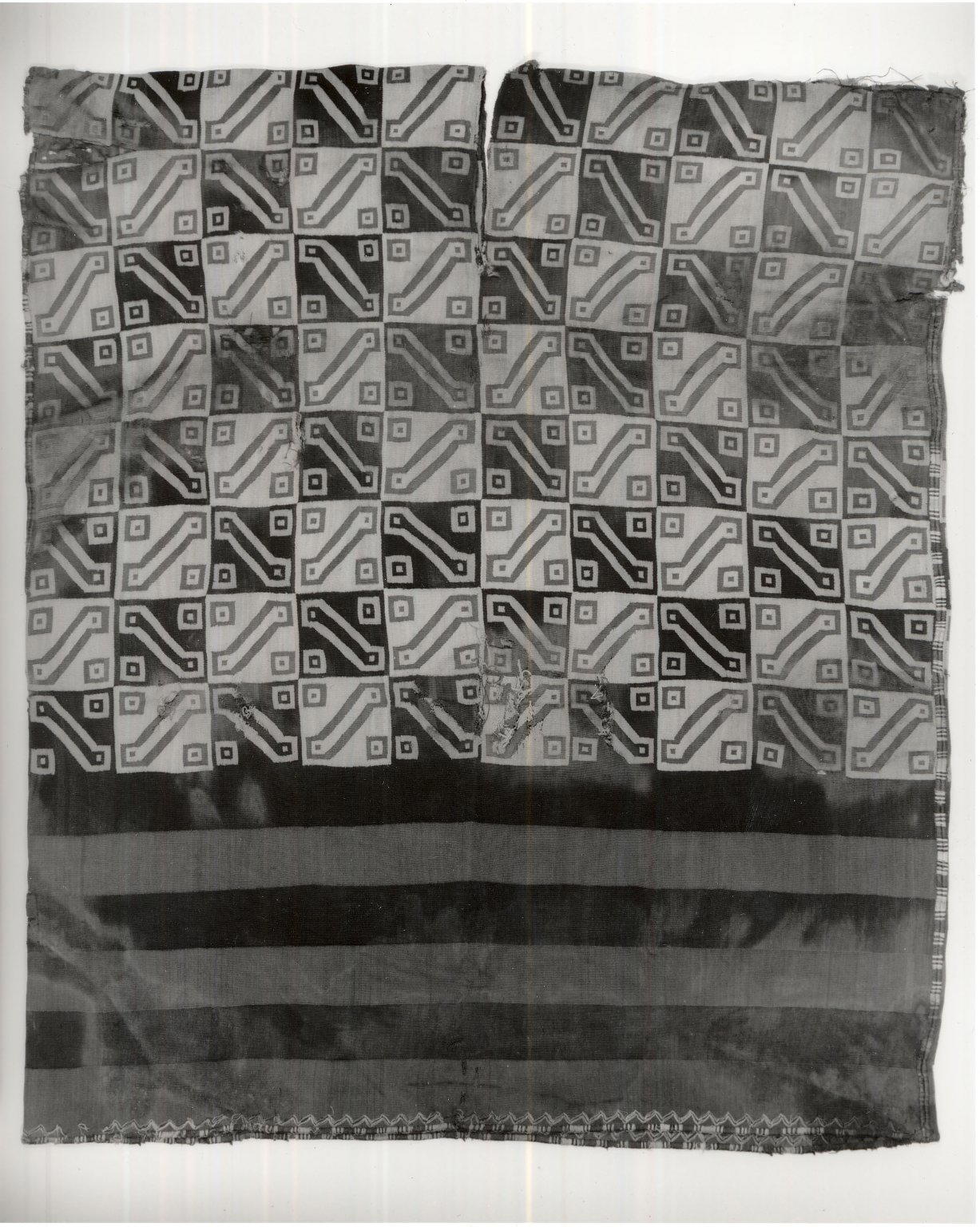
The design on this tunic is referred to as the “Inca key checkerboard” pattern, and it is one of five standardized tunic styles produced by specialized Inca weavers. In order to guarantee a supply of fine textiles, the Inca incorporated camelid herding and textile production into a state policy, setting up weaving workshops and collecting labor taxes (mit’a) in the form of woven garments and other requisite products.
The detailed embroidery on each side of this tunic and the zigzag across the hem were probably added after the garment was woven, to elevate the tunic, and the person wearing it, to a higher status.
The detailed embroidery on each side of this tunic and the zigzag across the hem were probably added after the garment was woven, to elevate the tunic, and the person wearing it, to a higher status.
Caption
Inca. Tunic, 1400–1532. Textile. Camelid fiber, 33 7/8 x 29 1/8 in. (86 x 74 cm). Brooklyn Museum, Gift of the Ernest Erickson Foundation, Inc., 86.224.133.
Gallery
Not on view
Collection
Gallery
Not on view
Collection
Have information?
Have information about an artwork? Contact us at