The Brooklyn Museum Expands Collection with Nearly 600 Acquisitions
Highlights include a significant photography gift from the Avedon collection; works by Richard Artschwager, Jenny Holzer, and Sarah Sze; and exciting additions that strengthen the Museum’s Asian, African, and feminist art collections.
The Brooklyn Museum has acquired nearly 600 artworks so far in 2025, enriching its encyclopedic collection representing more than 6,000 years of creative excellence. These acquisitions strengthen institutional holdings across collection areas, including American Art, Arts of Africa, Asian Art, Contemporary Art, Decorative Arts and Design, Feminist Art, and Photography.
Notably, the Museum has significantly expanded its Arts of Africa and Decorative Arts and Design collections and holdings of works by artists from the African diaspora. Key works by South African artist Robin Rhode and American mixed-media artist David MacDonald broaden the stories and perspectives represented within these collections. The Museum has prioritized acquiring contemporary works for the Arts of Africa collection as it prepares to reinstall dedicated galleries in 2027. The MacDonald acquisition will go on view in February 2026 in Design: 1880 to Now.
Generous donors continued to honor the Museum’s 200th anniversary this year with exciting gifts, including transformative works by Japanese sculptor Fujikasa Satoko, Korean activist Ahn Jeung-geun, photographer Lyle Ashton Harris, and Brooklyn-based artists Jenny Holzer and Nicole Eisenman. Another important new gift is the Wakabayashi collection, which adds significant prints by twentieth-century photographers, including Richard Avedon, Bill Brandt, Bruce Davidson, Sheila Metzner, and Irving Penn. These additions reflect the diversity and depth of the Museum’s collections and further expand its representation of local artists.
Many of these works, including examples by Eisenman and Sze, are currently on display in Everyday Rebellions: Collection Conversations. Works by Ahn and Holzer are on view in Breaking the Mold: The Brooklyn Museum at 200.
“We are tremendously grateful for the enduring support of our benefactors, whose partnership helps build a collection that inspires wonder, connects us to our shared sense of humanity, and explores important historical narratives,” says Anne Pasternak, Shelby White and Leon Levy Director, Brooklyn Museum. “It’s an honor to welcome these remarkable and significant contributions to our collection, and to share them with our community.”
View the Brooklyn Museum’s complete list of acquisitions in December 2024–October 2025. A selection of highlights is below, organized by collection.
Download images of select new acquisitions for press use .
Asian Art
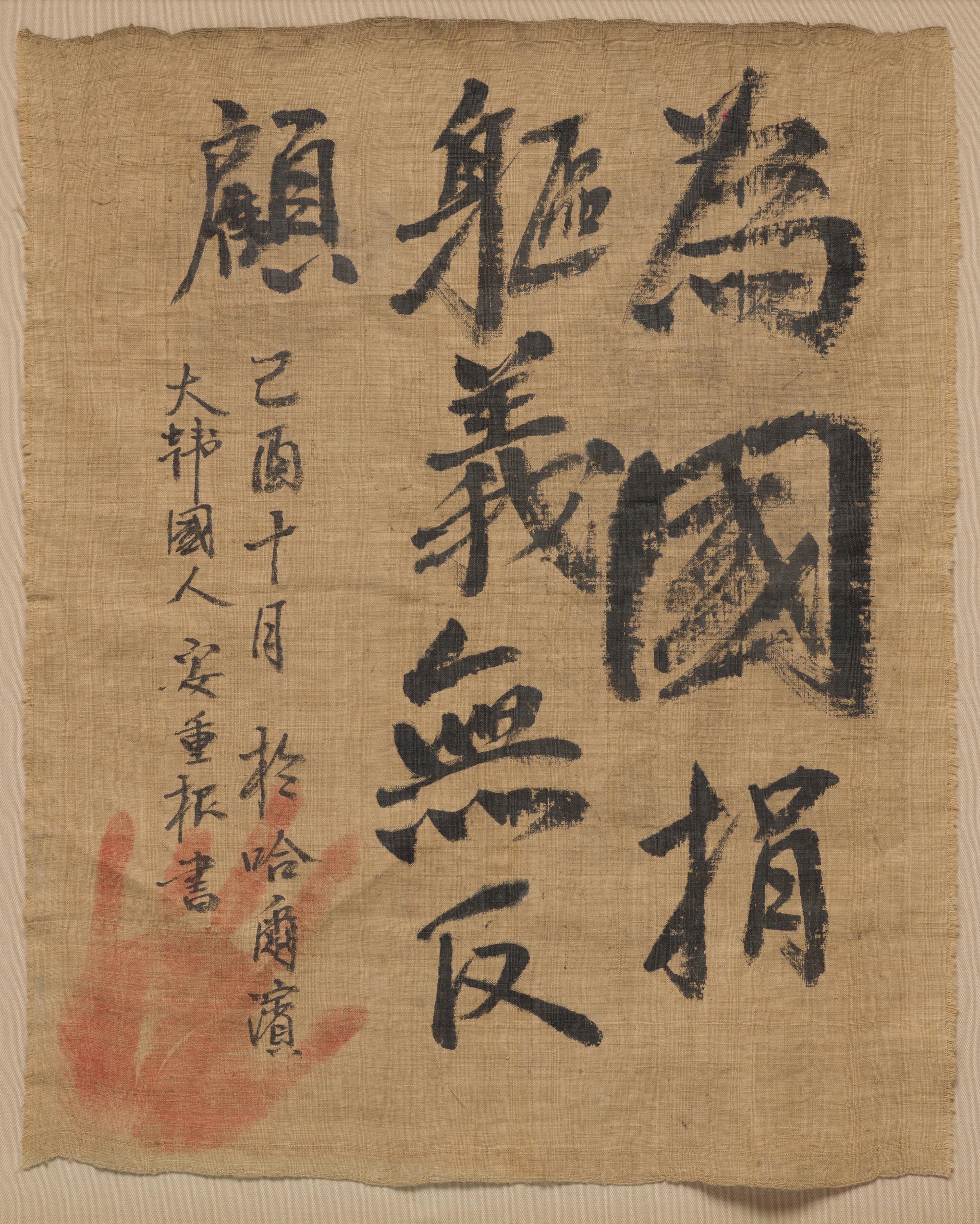
The Carroll Family Collection gave this significant calligraphic work to the Brooklyn Museum in honor of its 200th anniversary. Written by early twentieth-century Korean activist Ahn Jeung-geun, it is a significant contribution to the Museum’s growing collection of calligraphy by important figures in Korean history. Ahn is celebrated in Korea for opposing Japanese occupation. The calligraphy states, “There is no turning back from sacrificing yourself for your country,” and notably includes his handprint, which has become a symbol of activism in modern-day Korea. Ahn wrote this message of defiant patriotism on cloth immediately before or after assassinating Japan’s most influential colonial leader in 1909.
This gift also includes a collection of Japanese bamboo baskets, which joins a larger gift of baskets from Diane and Arthur Abbey. A selection of nineteen baskets from these two gifts will be featured in a special installation in the Arts of Japan gallery beginning in December 2025.
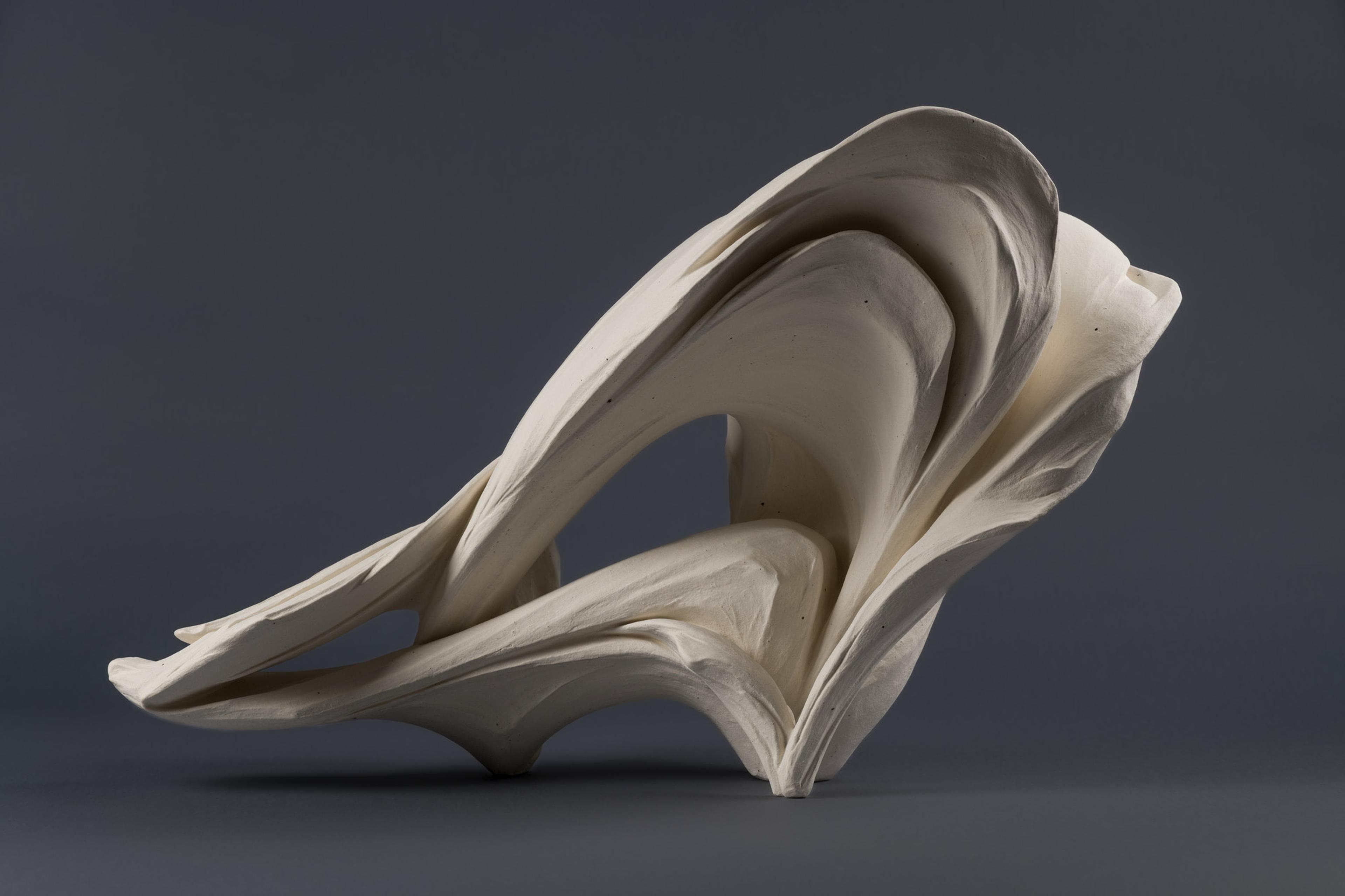
One of two gifts from Alan L. Beller in honor of the 200th anniversary, this work enhances the Museum’s growing collection of contemporary Japanese ceramics. Artist Fujikasa Satoko creates clay sculptures that appear to billow or float. She carves the clay to create thin, seemingly unsupported sheets and joins. The resulting form, finished in a bone-colored slip, evokes drapery on a Hellenistic sculpture or water-eroded sandstone, and appears to change dramatically when viewed from different angles.
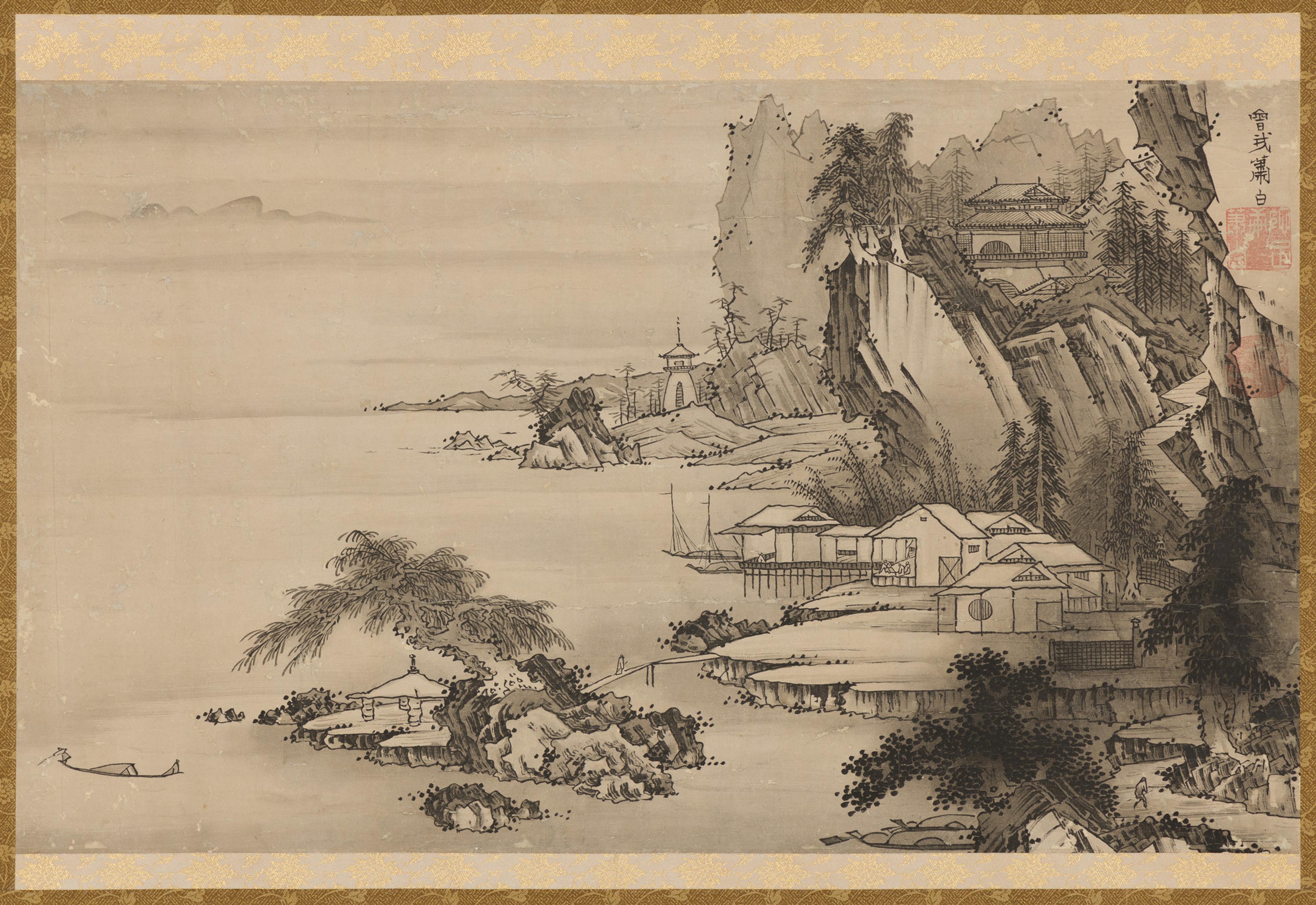
This ink paintingby Soga Shohaku, one of Japan’s three great eighteenth-century artists known as the Eccentrics, is part of a gift from longtime Brooklyn Museum donors Carol and John Lyden. The full donation includes several significant paintings by important eighteenth- and nineteenth-century Japanese artists, historic objects from Japan and Korea, and contemporary Japanese ceramics. As a whole, the gift supports the Museum’s initiative to enhance its holdings of Japanese art.
Arts of Africa
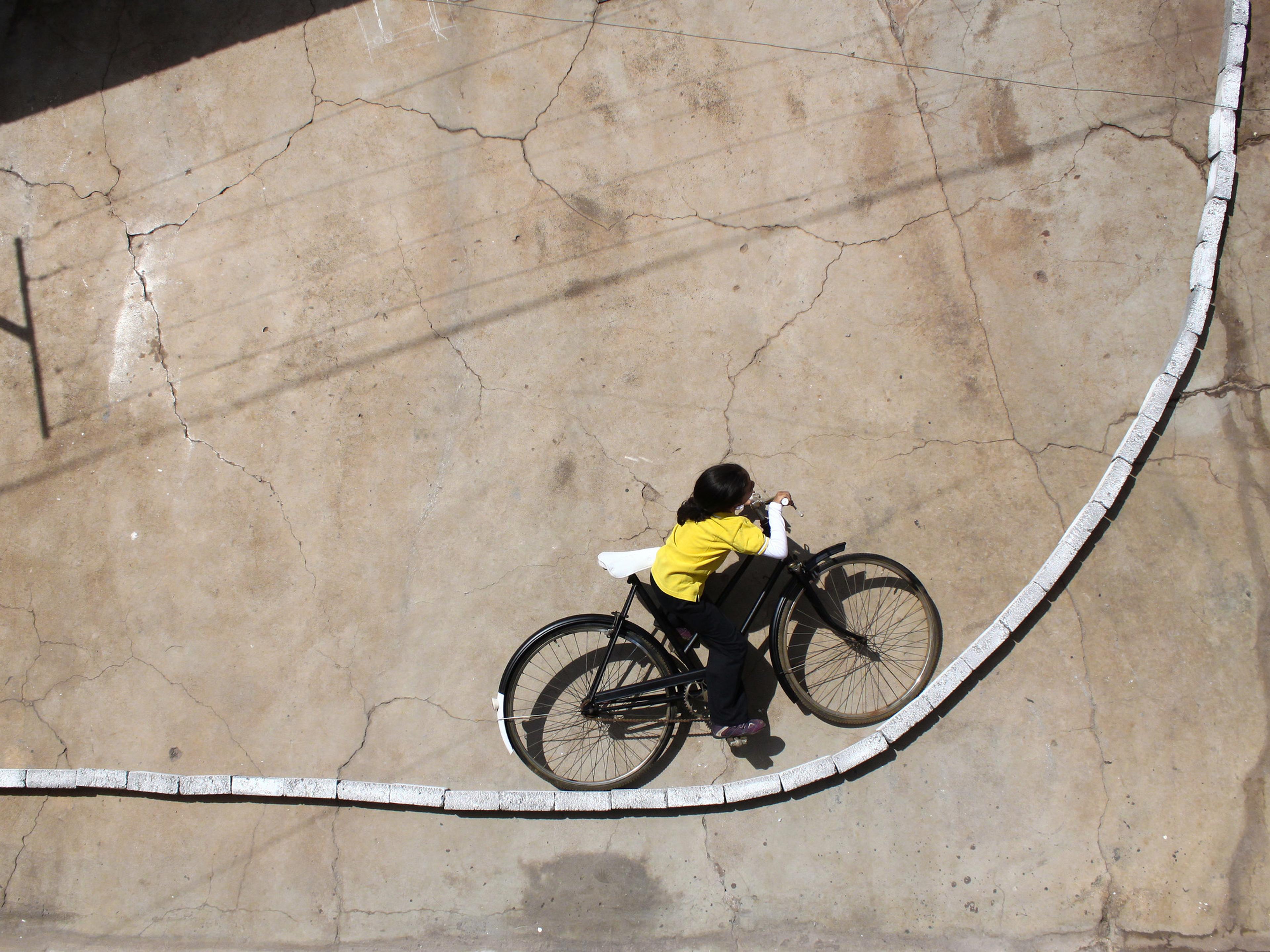
Parabolic Bike exemplifies the interdisciplinary approach of South African artist Robin Rhode, who incorporates elements of street art and performance into his practice. The title references the parabolic trajectory, a concept in physics describing the path of an object in motion under the influence of gravity. The film uses stop-motion animation to explore the dynamic between humans and urban spaces, touching upon an important theme in African cultures and across the African diasporic experience.
Contemporary Art
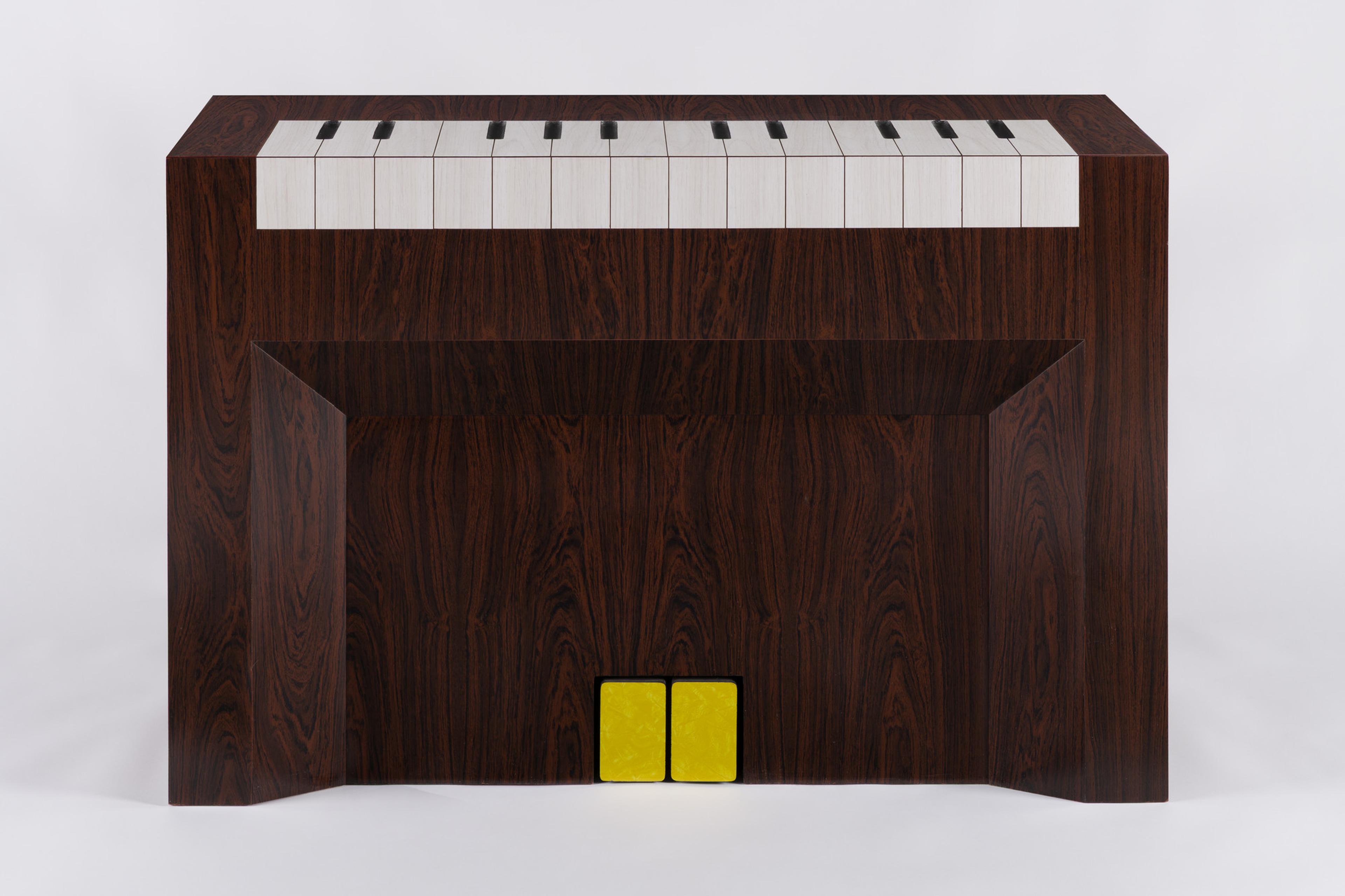
Piano is a classic example of Richard Artschwager’s experiments with dimensionality. Both two- and three-dimensional, the sculpture stands upright, but elements such as the piano keys and pedals are flat and superficial. Known for bridging Pop Art and Minimalism, Artschwager created everyday objects out of nontraditional materials such as Formica, Celotex wood fiberboard, rubberized horsehair, acrylic brushes, and sandpaper. This important gift from Barbara Bertozzi Castelli greatly enhances the Museum’s representation of major art movements of the 1960s.
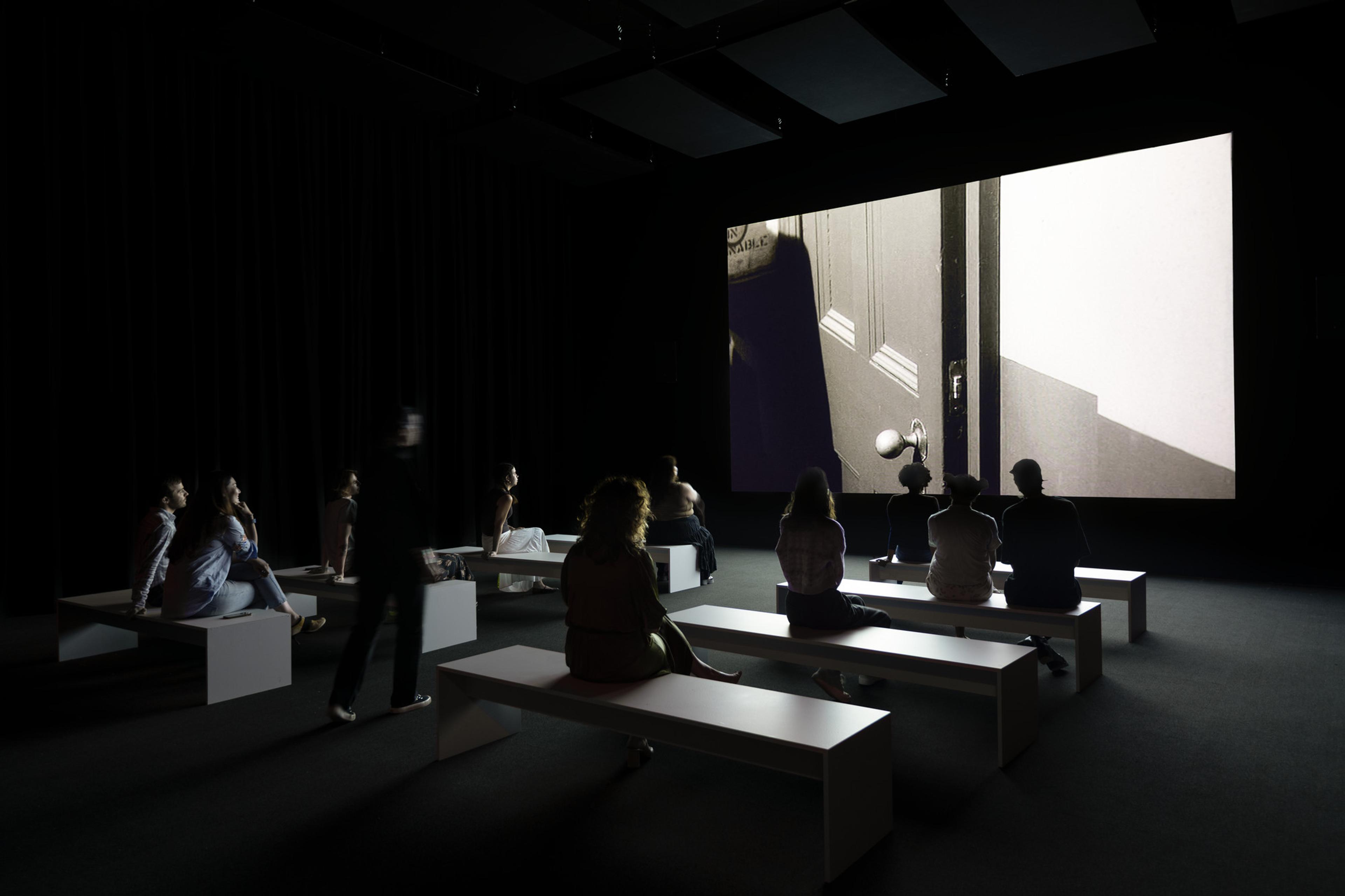
Doors exemplifies Christian Marclay’s ongoing experimentation in video and sound collage. A montage of film excerpts, the single-channel video highlights moments of transition as characters open, close, and pass through doors. Pulling from iconic films throughout cinematic history, the piece creates unexpected juxtapositions while maintaining a fluid, fast-paced rhythm. Marclay began working on Doors shortly after the release of The Clock, for which he won the Golden Lion at the 2011 Venice Biennale. A joint acquisition with the Hirshhorn Museum and Sculpture Garden, Doors inaugurates the Museum’s new Moving Image Gallery.
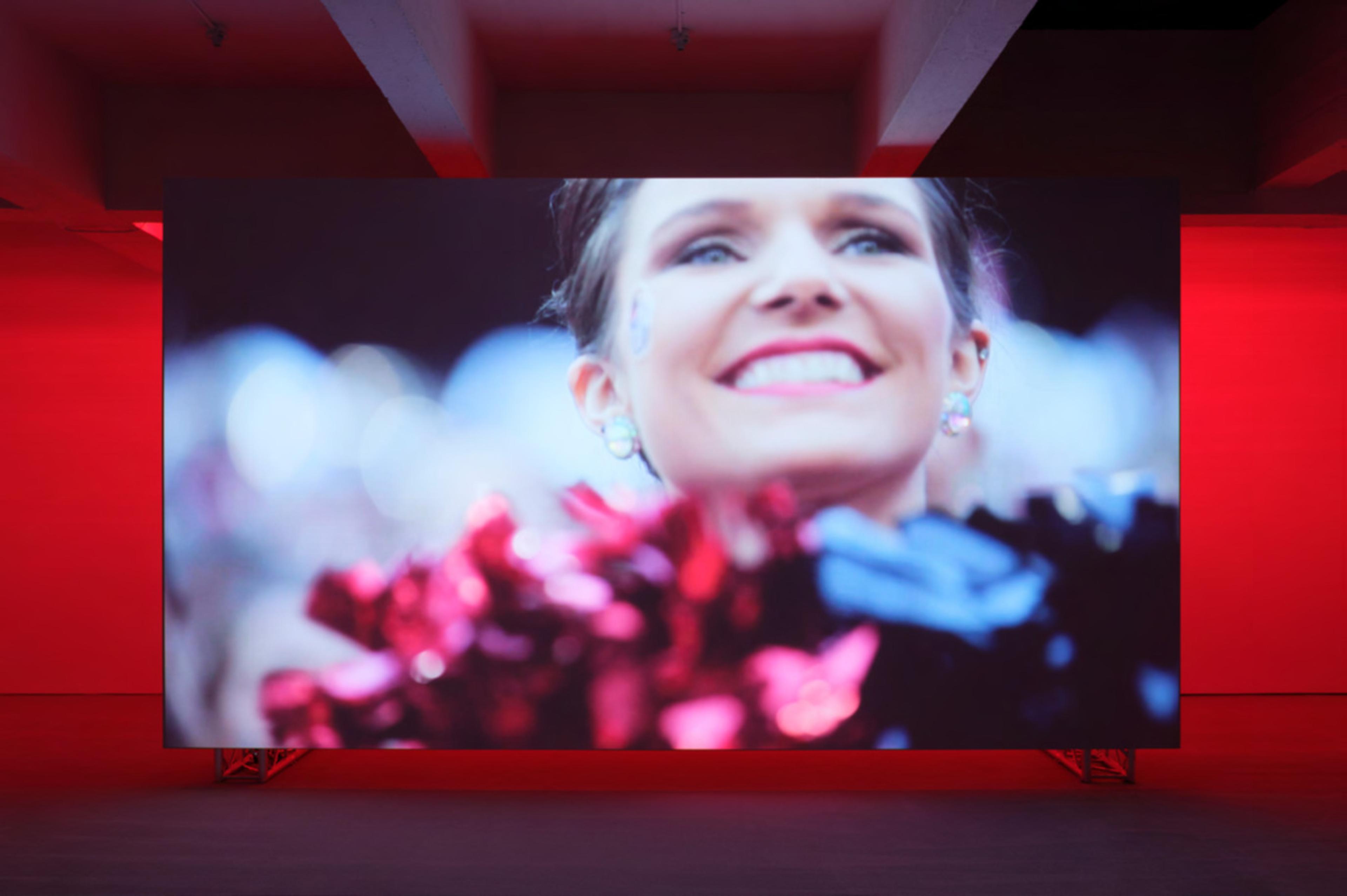
A major film installation by multimedia artist Paul Pfeiffer, Red Green Blue examines the culture of American college football through spliced footage of a University of Georgia Bulldogs game. Instead of showing an actual game, the artist contrasts sounds of coaches, cheering, and clapping with images of the stadium’s exterior, which is adjacent to a cemetery of formerly enslaved people who helped build the university. Pfeiffer prompts viewers to consider the spectacle of this sport and the larger historical and social contexts in which it takes place. Red Green Blue isa joint acquisition with the Museum of Contemporary Art, Los Angeles.
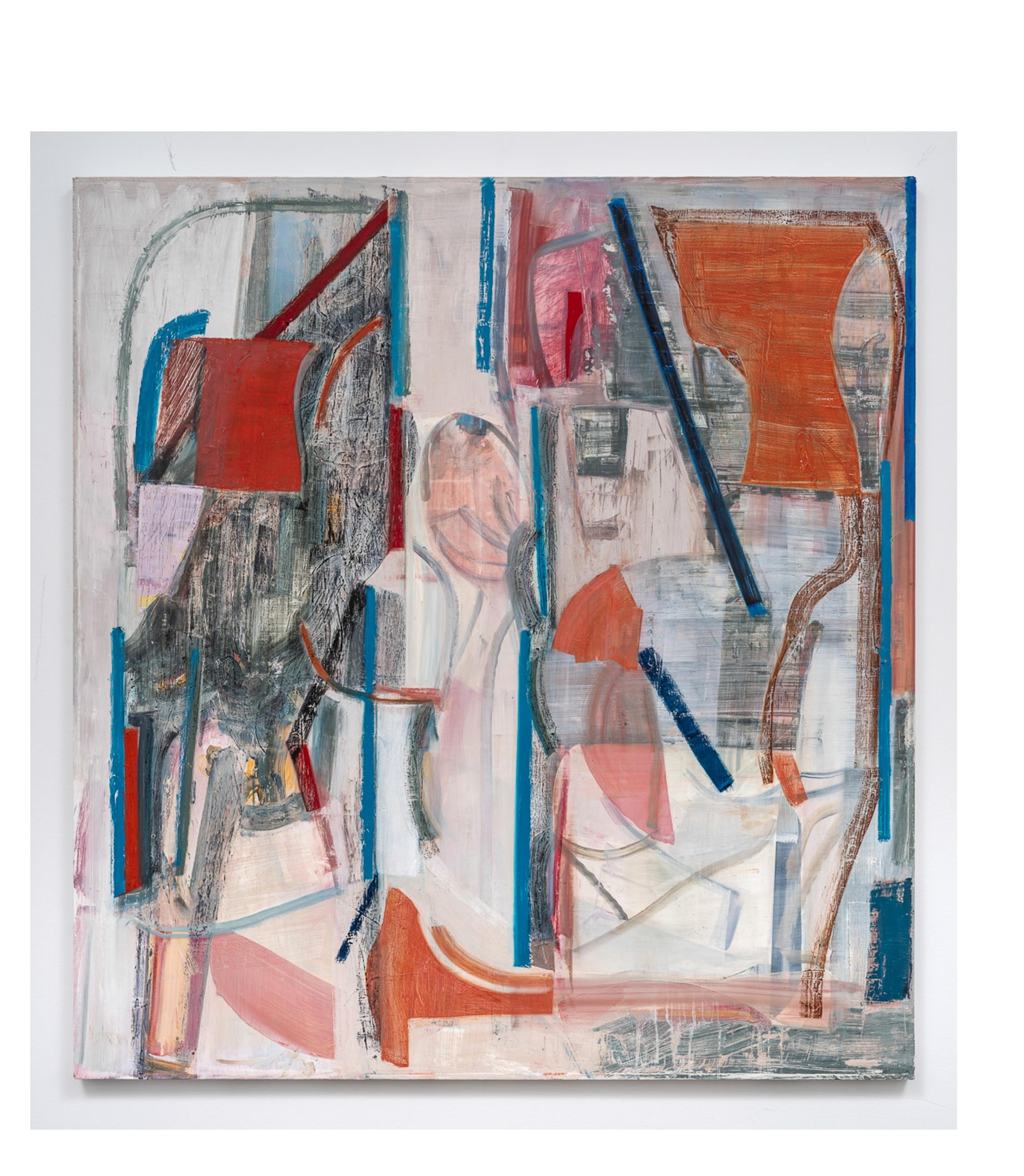
Amy Sillman’s Almost Blueexemplifies the artist’s exploration of both abstraction and figuration. Gifted by the Alex Katz Foundation, itis the first Sillman painting to enter the Museum’s collection. The work evokes a sense of vitality: Dark-blue and red lines recall veins and arteries, creating a pulse against a more ambiguous background. The intricate network of interconnected lines and forms challenges traditional notions of completion in art. This acquisition builds upon the Museum’s collection of works by Brooklyn-based artists.
Decorative Arts and Design
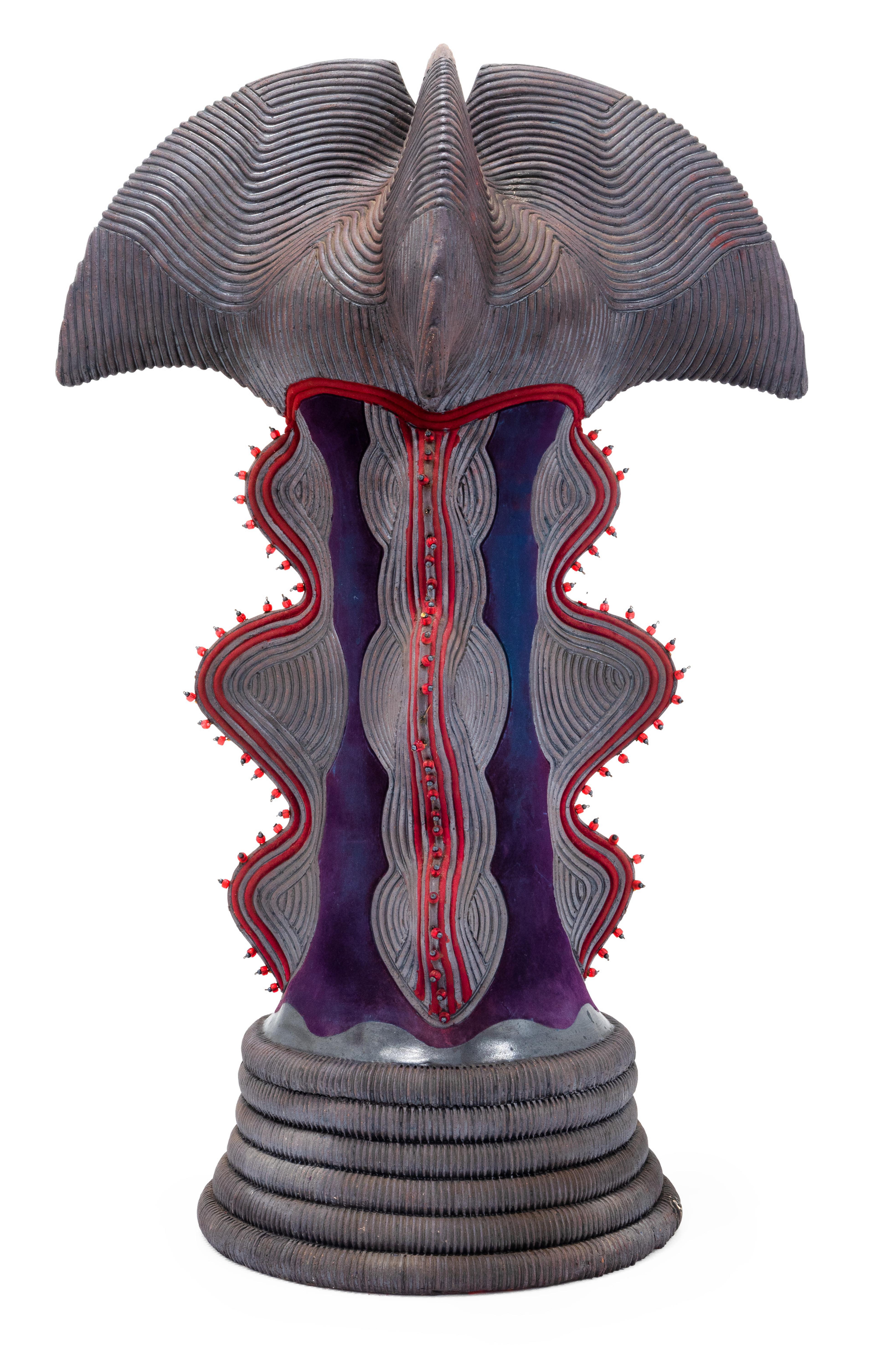
David MacDonald’s mixed-media works explore Black American ancestry, heritage, and artistic contributions. In Beaded Nyama Form, MacDonald finds inspiration in the creative traditions of the African continent. Decorated with beads and jute fibers, the work incorporates techniques such as slip trailing and carving to reference the Igbo, Ndebele, and Massai peoples’ traditional architecture and scarification practices. The patterns are also inspired by West African mudcloth and MacDonald’s wife’s quilt pattern books. Beaded Nyama Form will appear in Design: 1880 to Now in February 2026 alongside other significant works by African and African diasporic artists.
Feminist Art
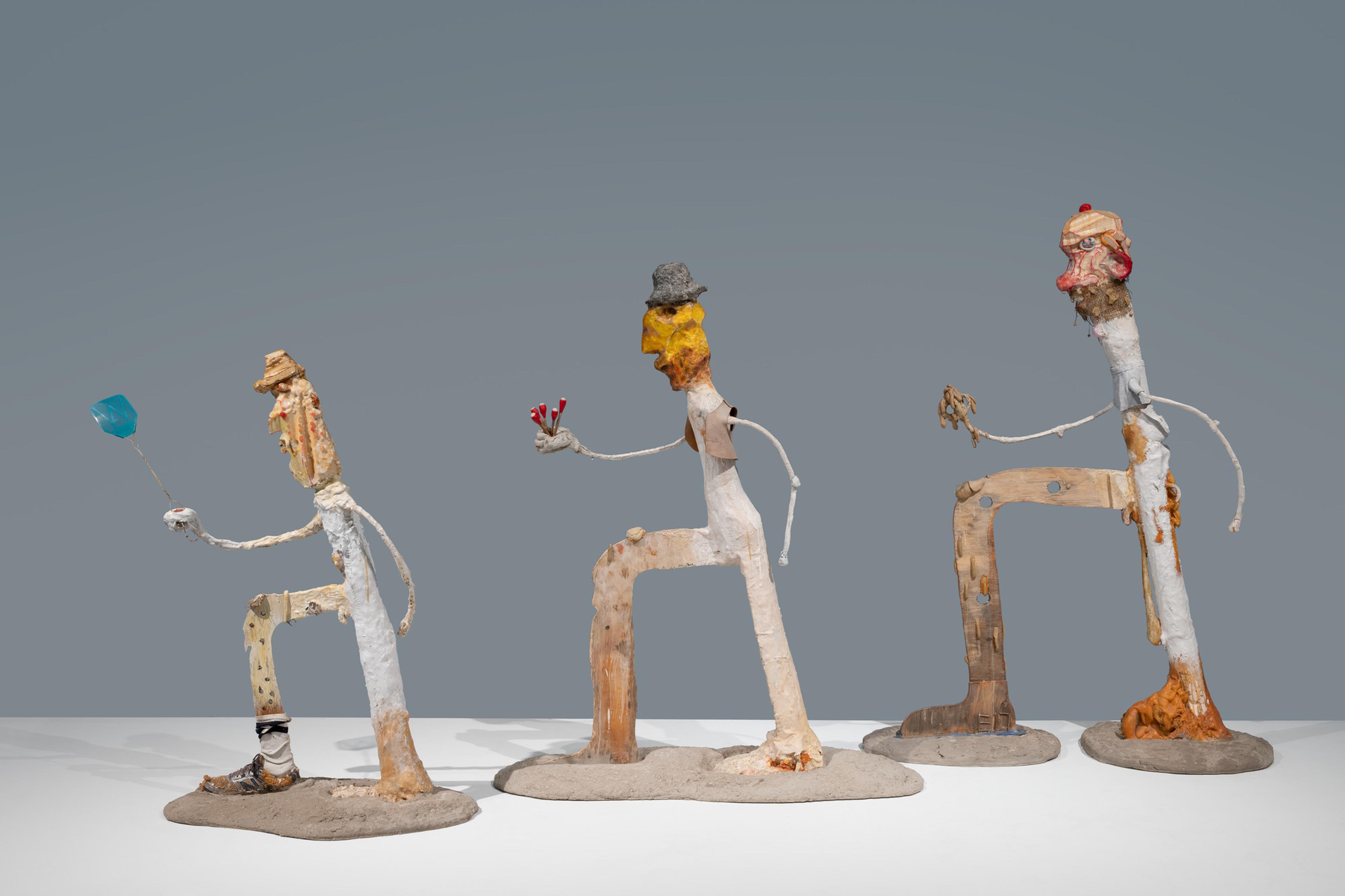
Gifted by Stephanie and Tim Ingrassia in honor of the Brooklyn Museum’s 200th anniversary, Three Walkers is a premier example of Nicole Eisenman’s sculptural practice. Currently on view in Everyday Rebellions: Collection Conversations, the figures initially debuted as part of Eisenman’s larger sculpture The Procession at the Whitney Biennial2019. Striding in a line, their destination unknown, the walkers carry a flyswatter, matchsticks, and dripping wet clay, creating a sense of absurdity and intrigue. Eisenman is a Brooklyn-based artist and 2015 MacArthur Fellow.
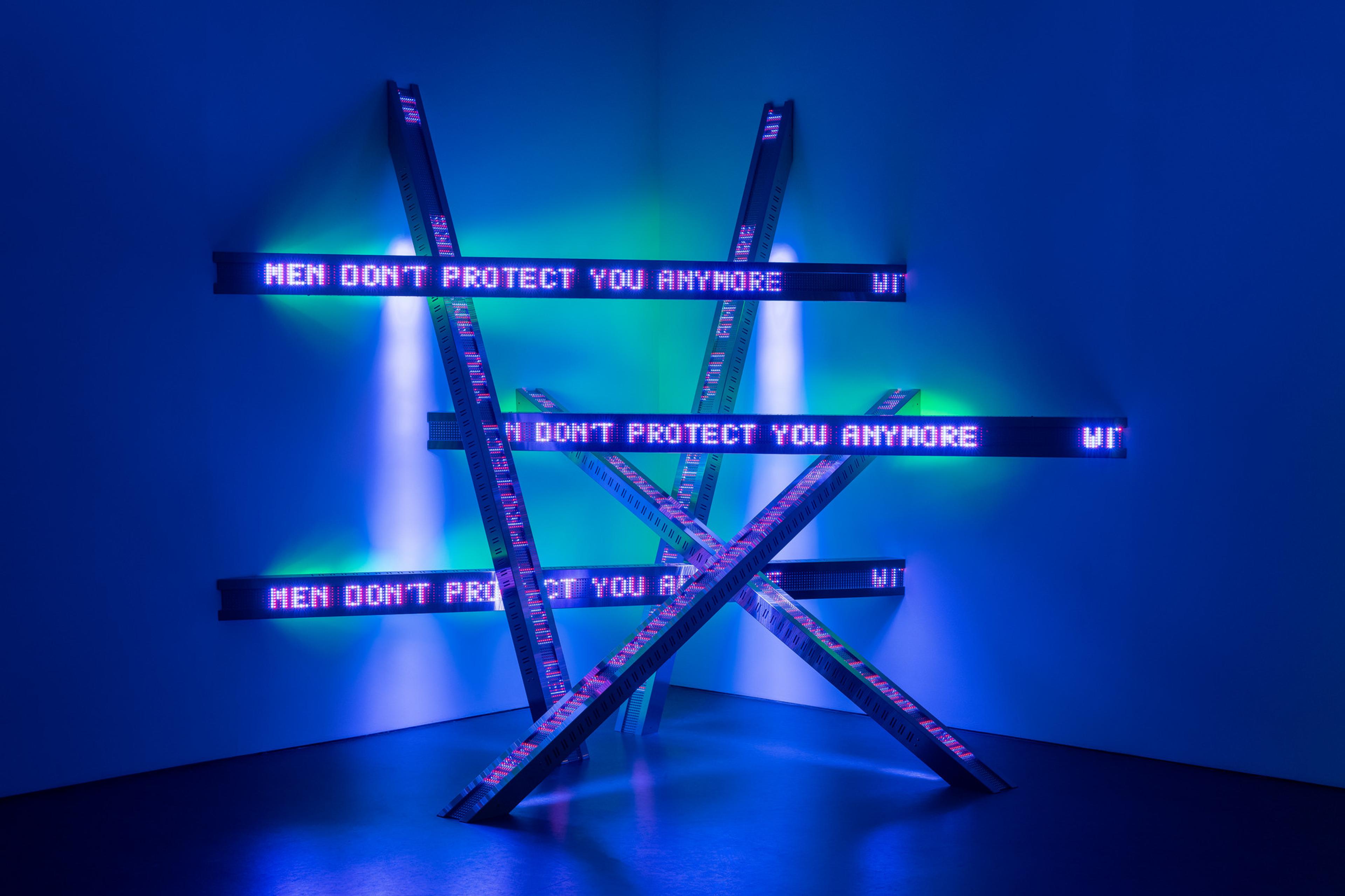
HEAP is the first work by renowned artist Jenny Holzer to enter the Brooklyn Museum’s collection. Holzer, who has long maintained a studio space in Brooklyn, fuses language and sculpture to create charged interactions with viewers. HEAP encapsulates decades of the artist’s practice in a single visual experience—a pile of words stating her core beliefs.
The Brooklyn Museum has a longstanding relationship with Holzer: She was honored at the 2014 Brooklyn Artists Ball, and the Museum has exhibited her work several times, including in the exhibition AGITPROP! (2015–16) and a solo lobby installation, Jenny Holzer: Signs and Benches (1988). HEAP is currently on view in Breaking the Mold: The Brooklyn Museum at 200.
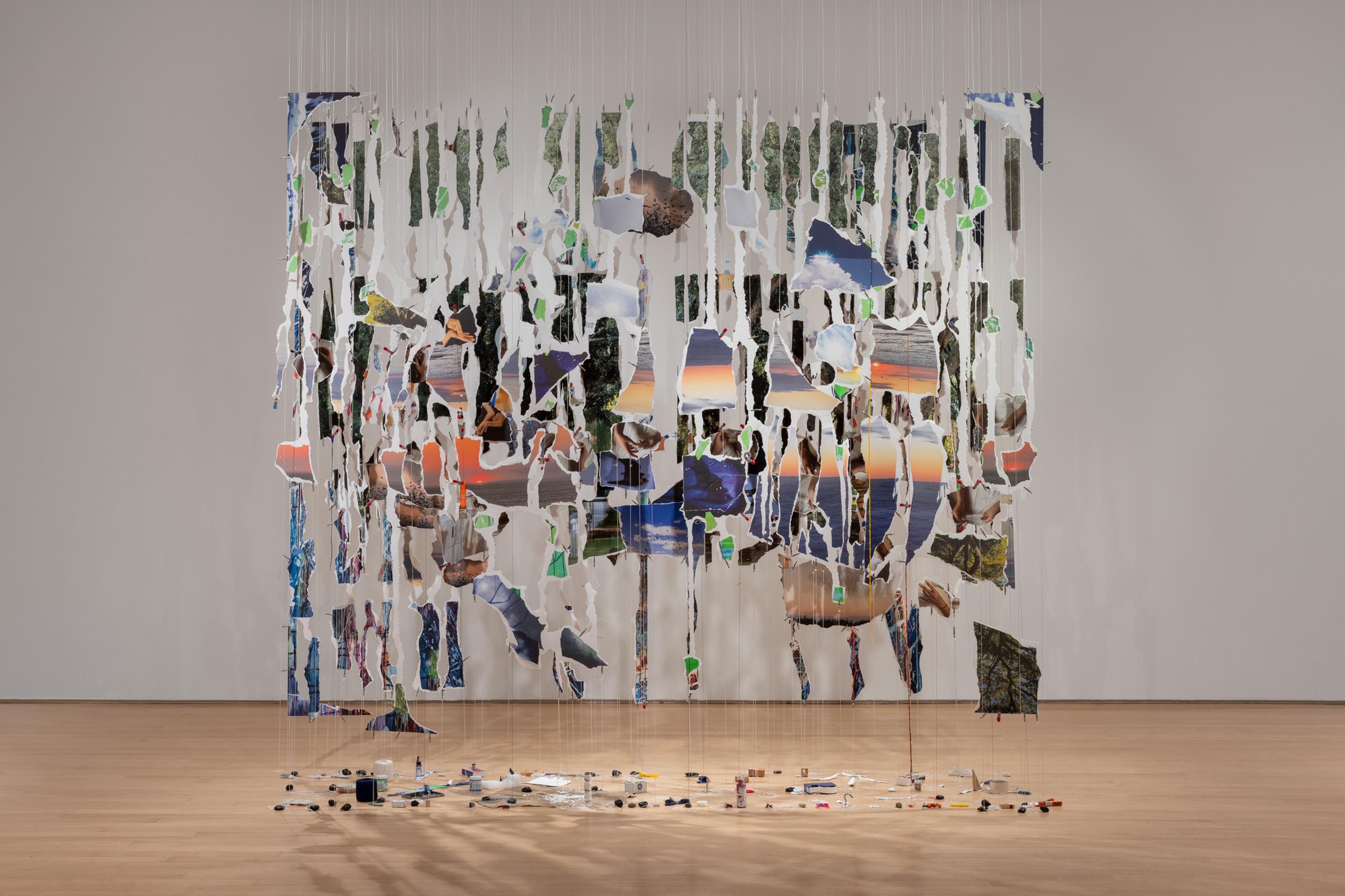
Currently on view in Everyday Rebellions: Collection Conversations, Sarah Sze’s Cave Paintingasks viewers to consider the abundant and destructive nature of humankind’s relationship to the environment. A 2003 MacArthur Fellow, Sze works across mediums—including painting, sculpture, sound, print, drawing, video, and architecture—to assemble imagery that reflects the chaos of modern life. This work furthers the Museum’s goal to acquire artworks that represent the many voices of contemporary feminism.
Photography
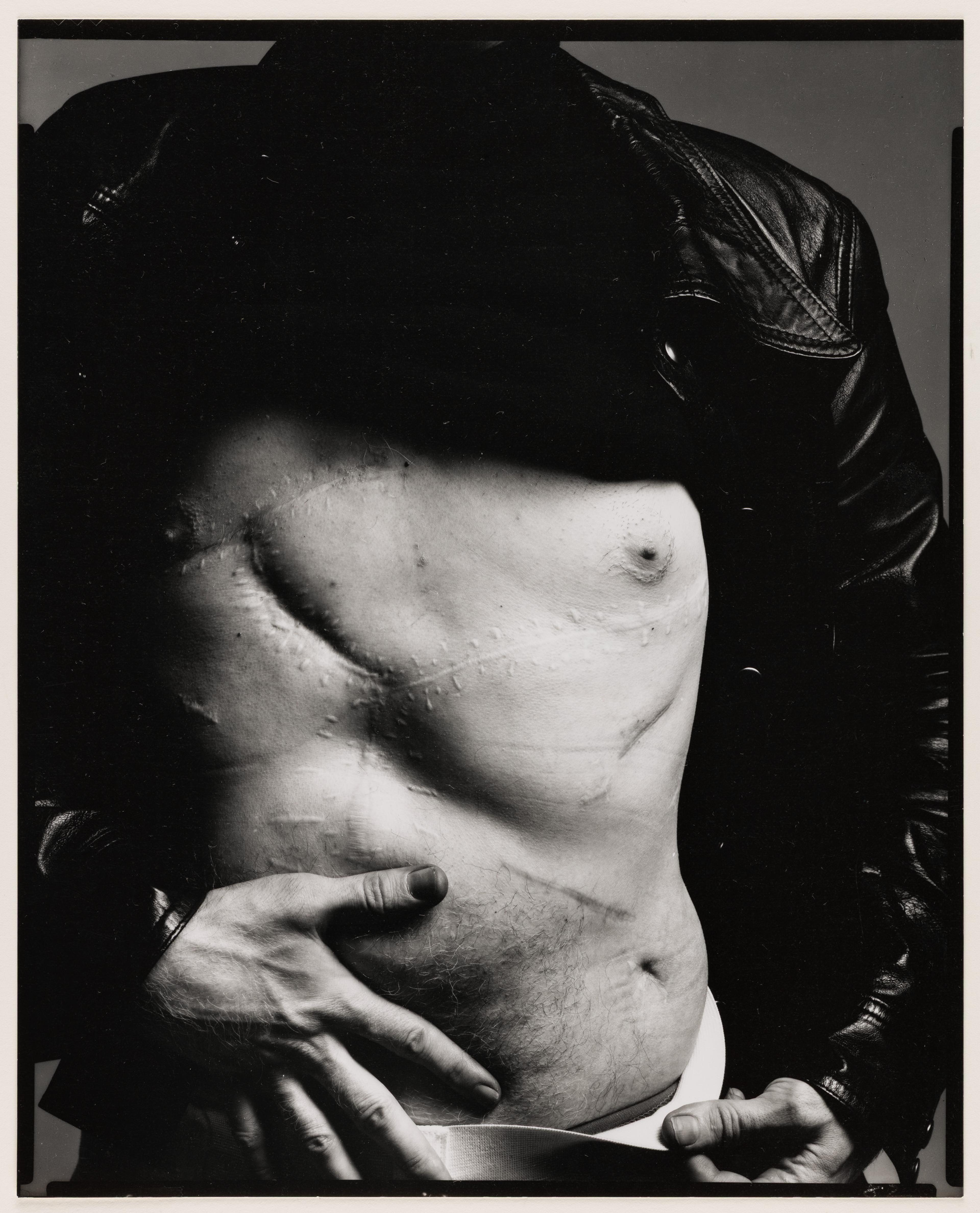
Andy Warhol, Artist is one of thirty-eight photographs gifted to the Brooklyn Museum by Greg and Clark Wakabayashi from the collection of their father,the renowned Japanese-born fashion photographer Hiro, who passed away in 2023, and his wife Elizabeth Wakabayashi. Along with such iconic works by Richard Avedon, the gift includes important images by Bill Brandt, Bruce Davidson, Sheila Metzner, and Irving Penn. Among them arerare platinum-palladium prints, such as Avedon’s Francis Bacon, Artist, 4/11/79 and The Chicago Seven, 9/25/69, and Penn’s Colette, Paris and Cat Woman, New Guinea. Gifted in honor of the 200th anniversary, these works build on the Museum’s collection of images by master twentieth-century photographers.
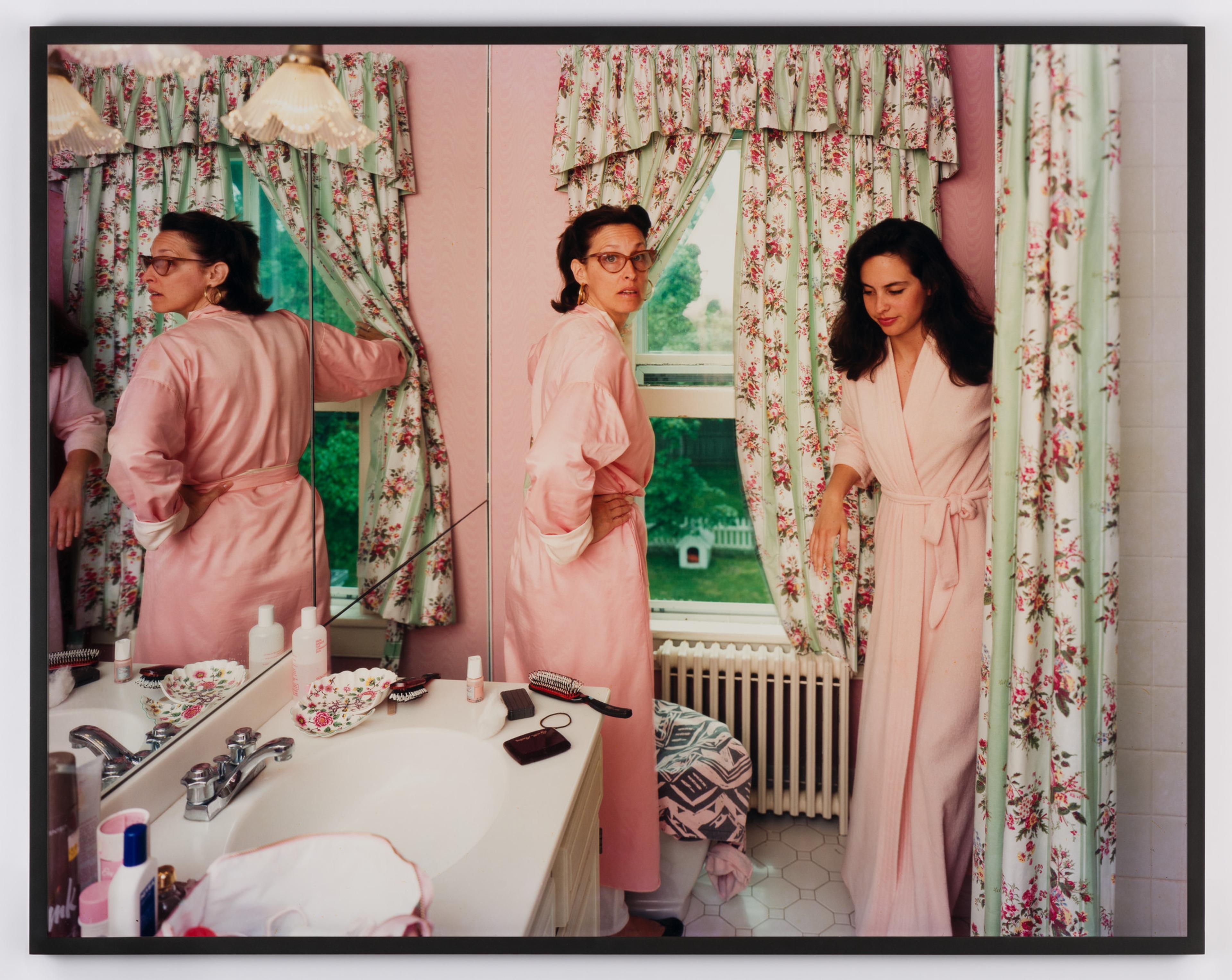
Tina Barney is known for her intimate documentation of the European and U.S. upper class in large-scale, colorful photographs. Jill & Polly in the Bathroom depicts the photographer’s sister, Jill, and her niece, dressed in similar pink bathrobes in an equally pink bathroom. The cinematic scale of Barney’s photographs invites viewers to search the settings and subjects’ interactions for traces of a narrative. Jill & Polly in the Bathroom was given by Elizabeth and William Kahane in honor of the Brooklyn Museum’s 200th anniversary.
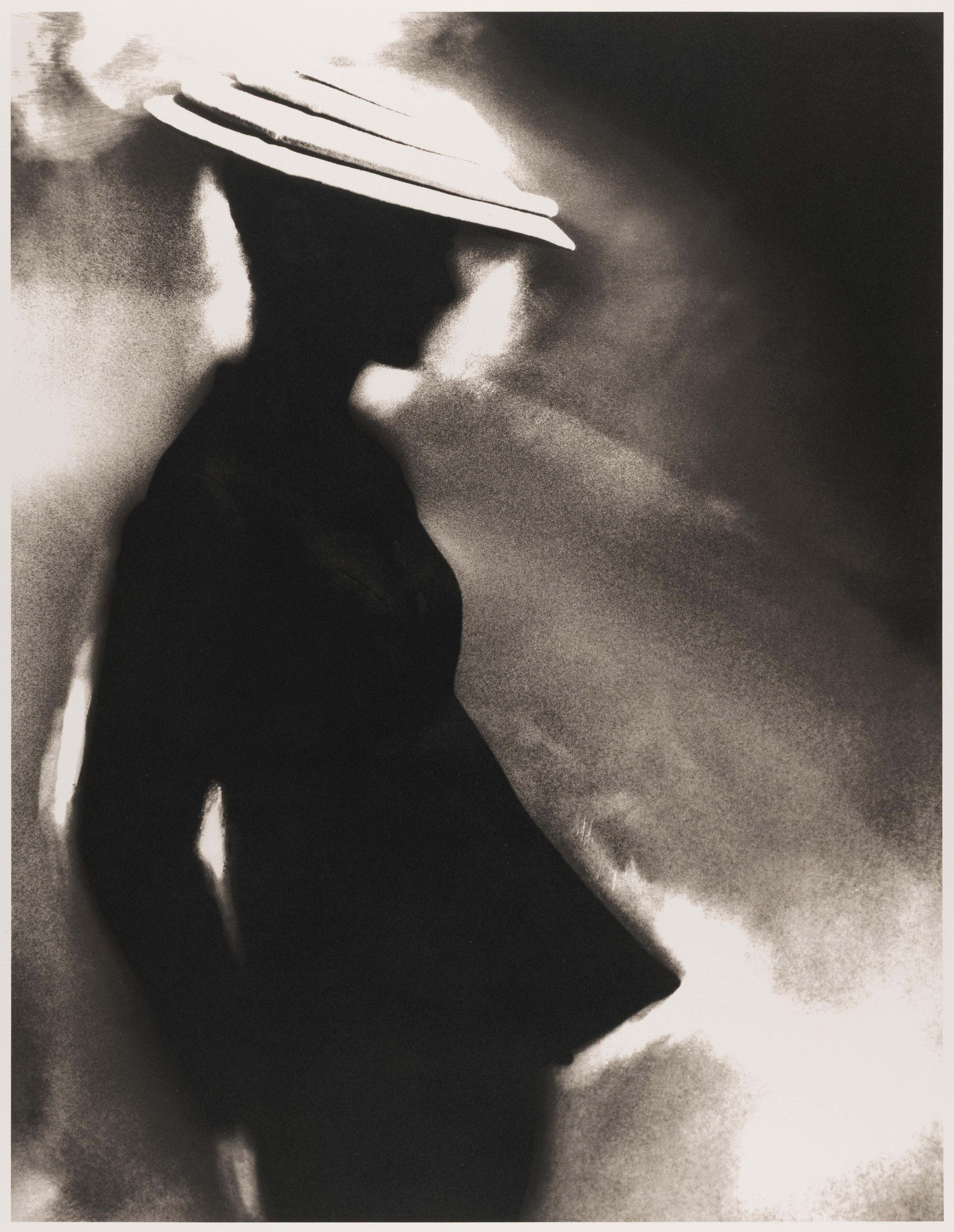
Anne Saint Marie NY 1958 is part of a gift from Lizzie and Eric Himmel in honor of the Brooklyn Museum's 200th anniversary. The gift comprises twenty-six works by their parents, Lillian Bassman and Paul Himmel, expanding the Museum’s holdings of work by Brooklyn artists. Bassman and Himmel are among the most esteemed American photographers of the twentieth century. Himmel is best known for his street photography and experiments with color photography. Bassman was one the most successful American fashion photographers of her generation, working with major designers including Dior and fashion magazines such as Harper's Bazaar. The siblings also donated personal artifacts to the Library and Archives collection, including childhood photographs and ephemera such as postcards.
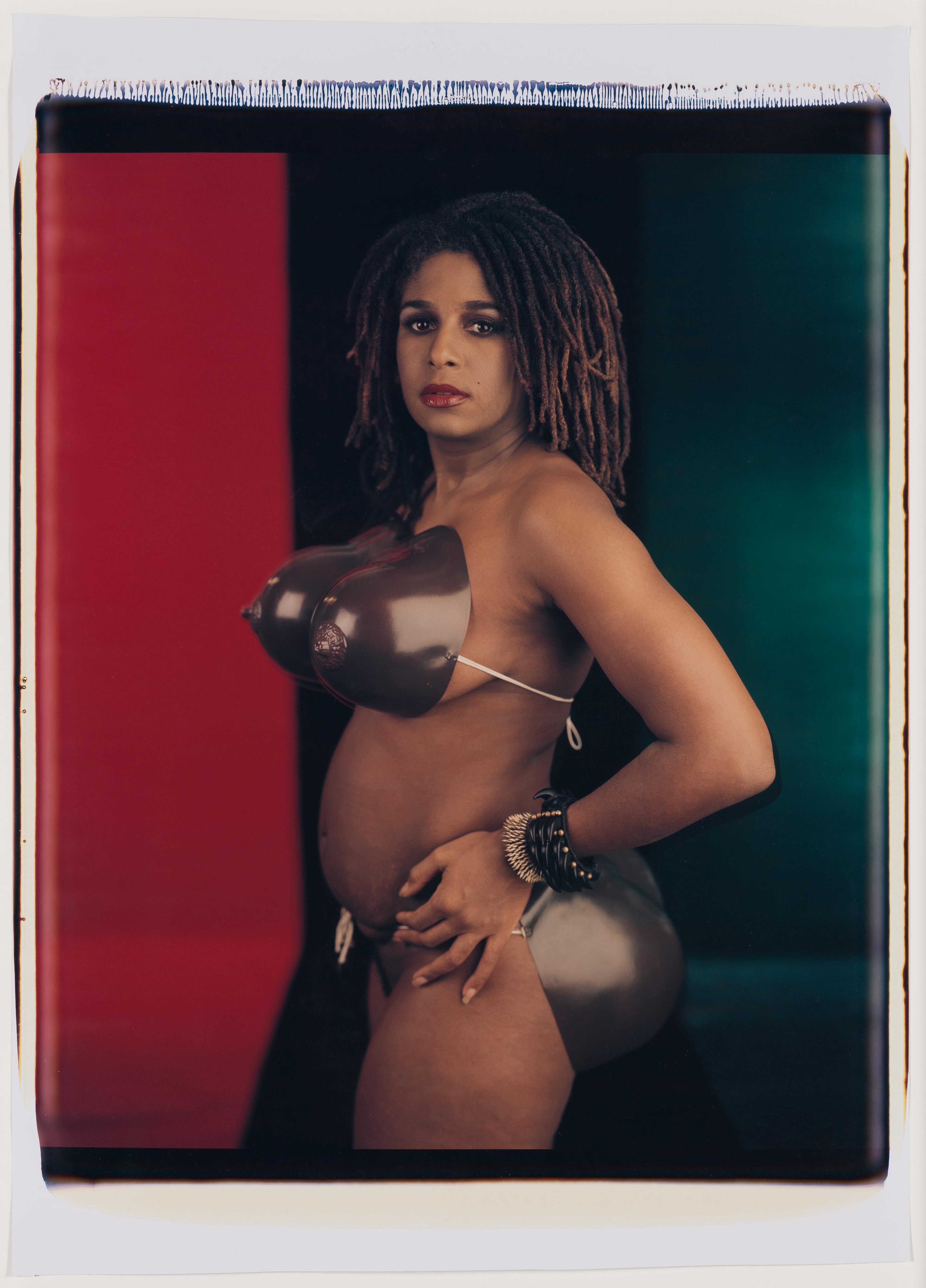
Gifted to the Museum by Jeanne Greenberg Rohatyn in honor of the Brooklyn Museum’s 200th Anniversary, Hottentot Venus 2000 is one of Lyle Ashton Harris’s best-known photographs. It depicts photographer Renee Cox posing as Saartjie Baartman (1789–1815), a young Khoikhoi woman from South Africa whose body so fascinated Europeans that she was exhibited in freak shows under the name “Hottentot Venus.” Cox’s pose partially recreates nineteenth-century drawings of Baartman in profile. However, in Harris’s version, Cox stares directly at the viewer with hands on hips, conveying agency and confrontation.