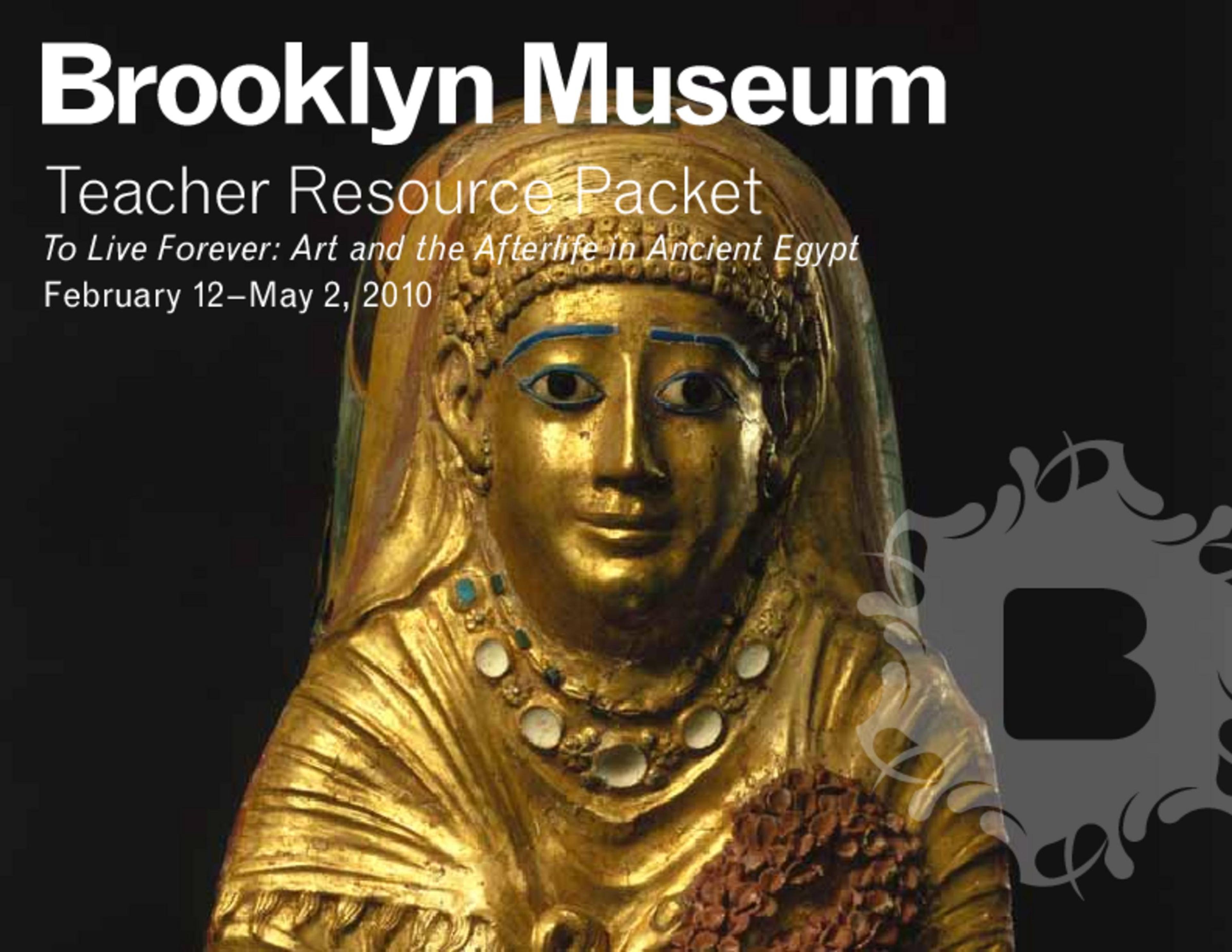
To Live Forever: Art and the Afterlife in Ancient Egypt
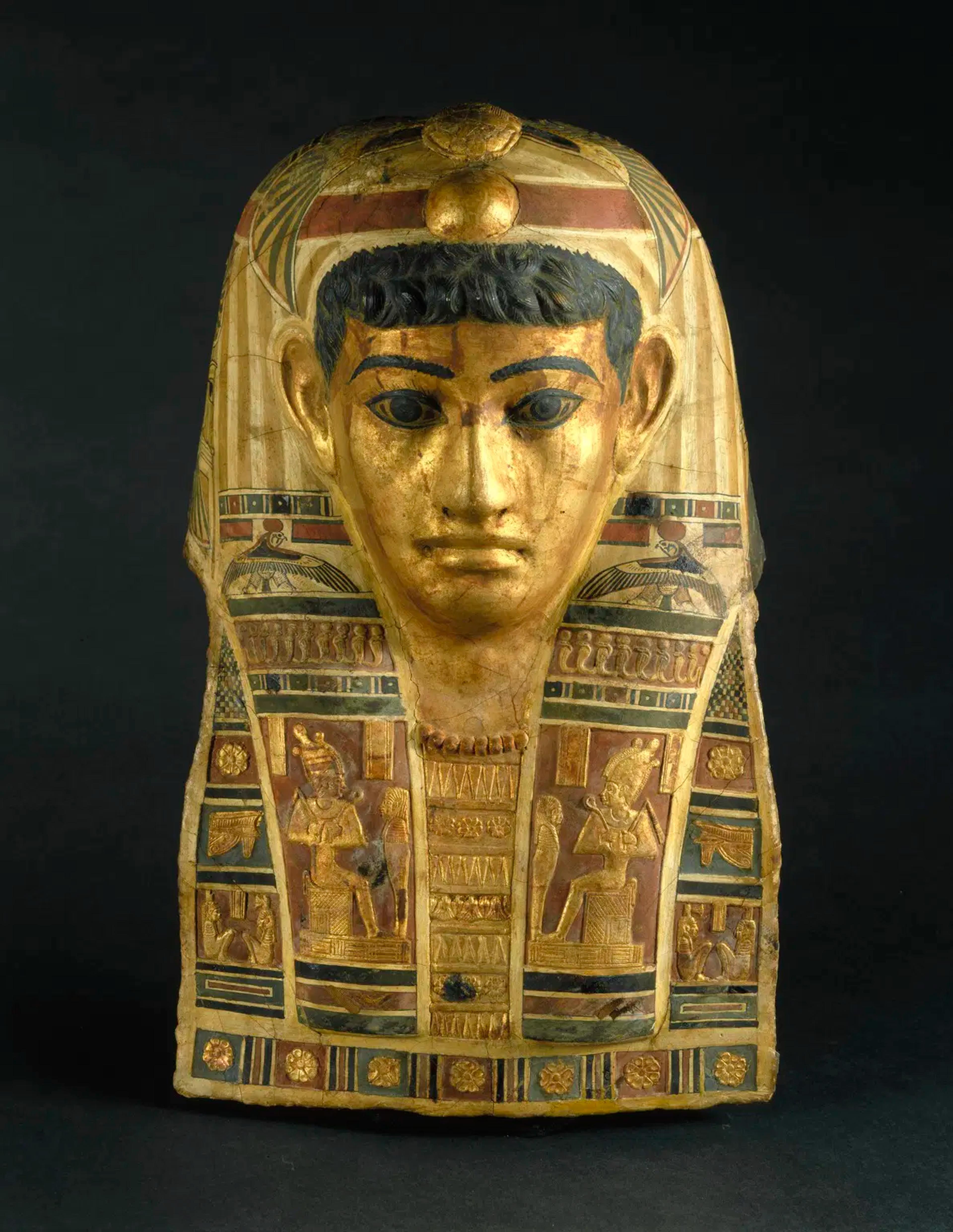
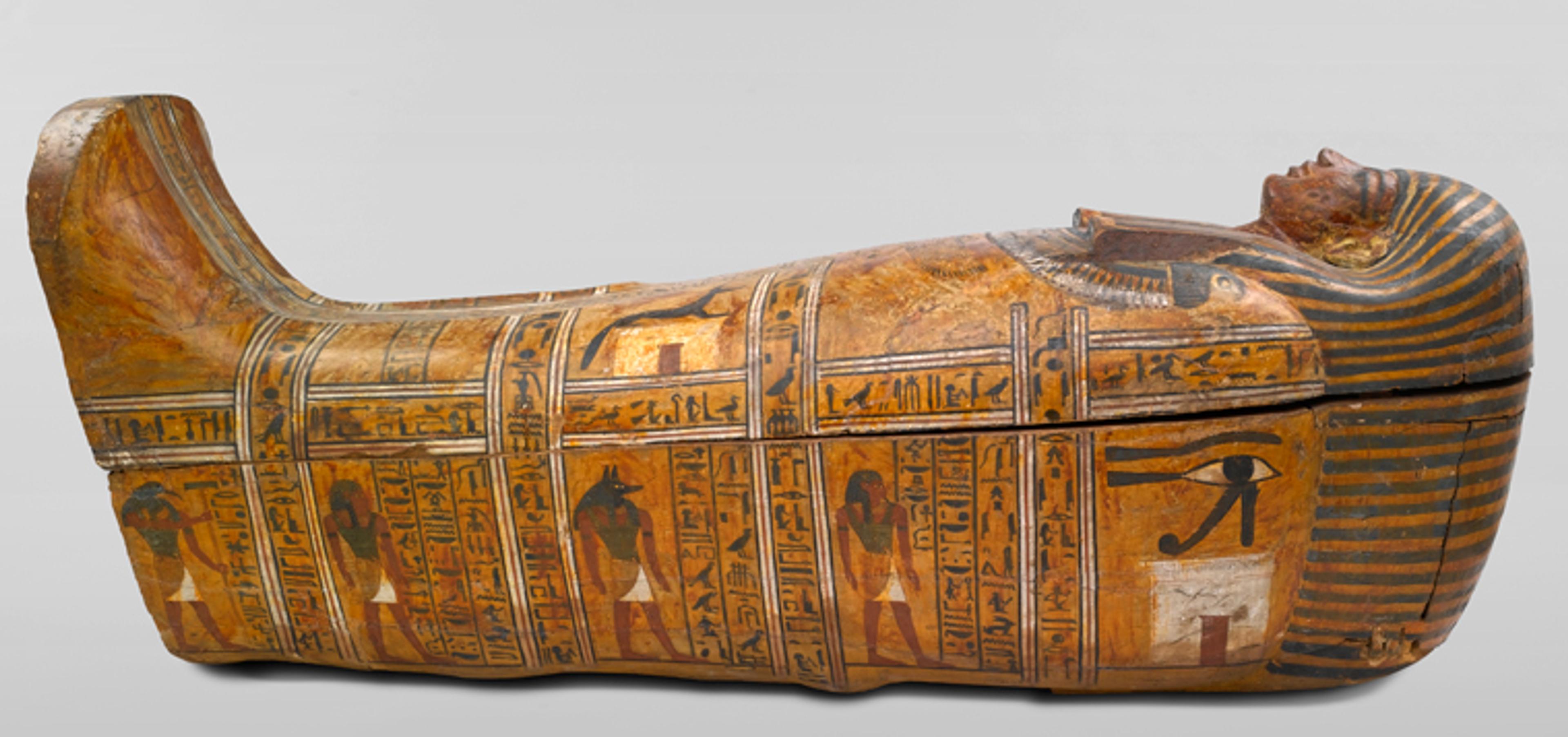
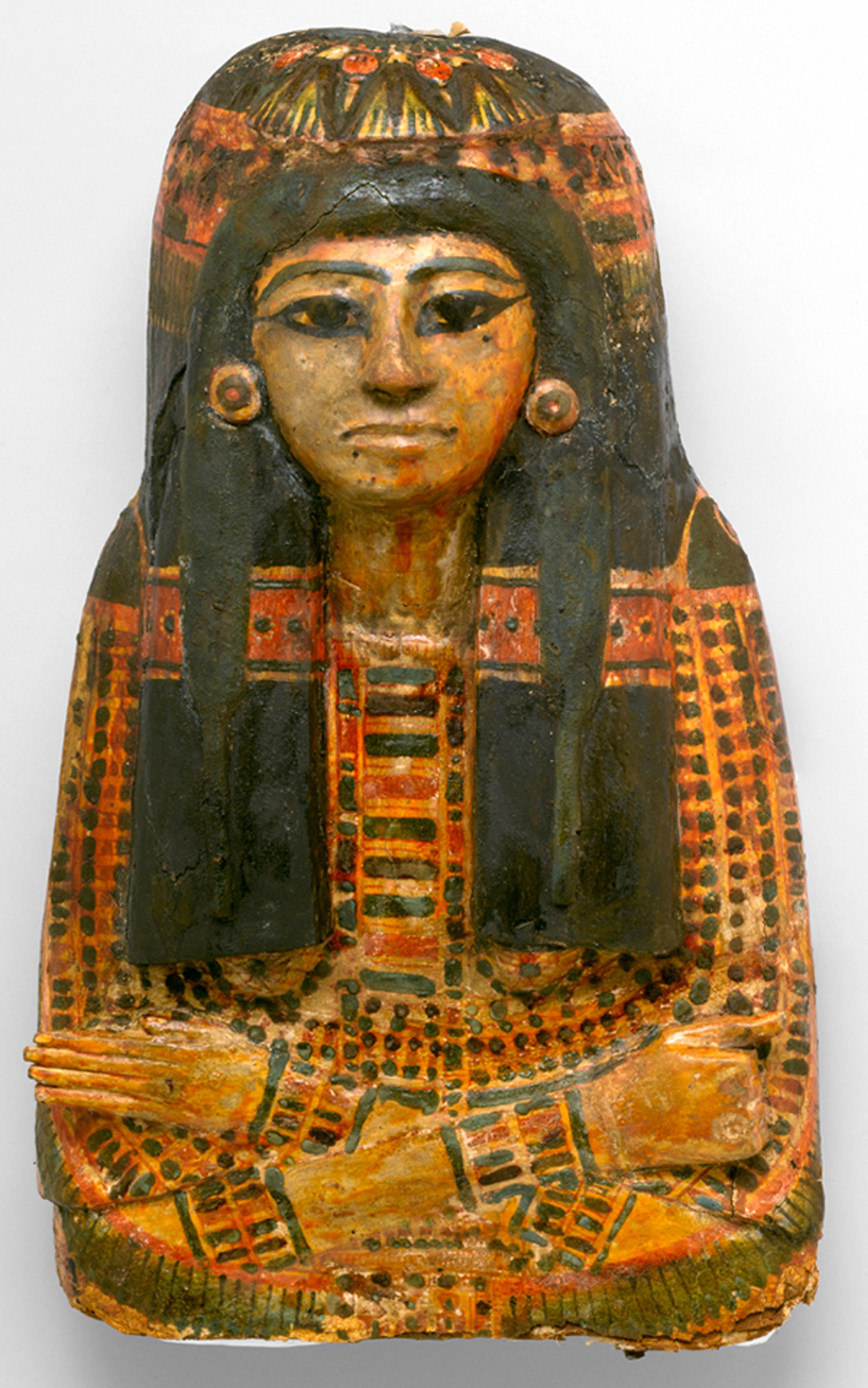
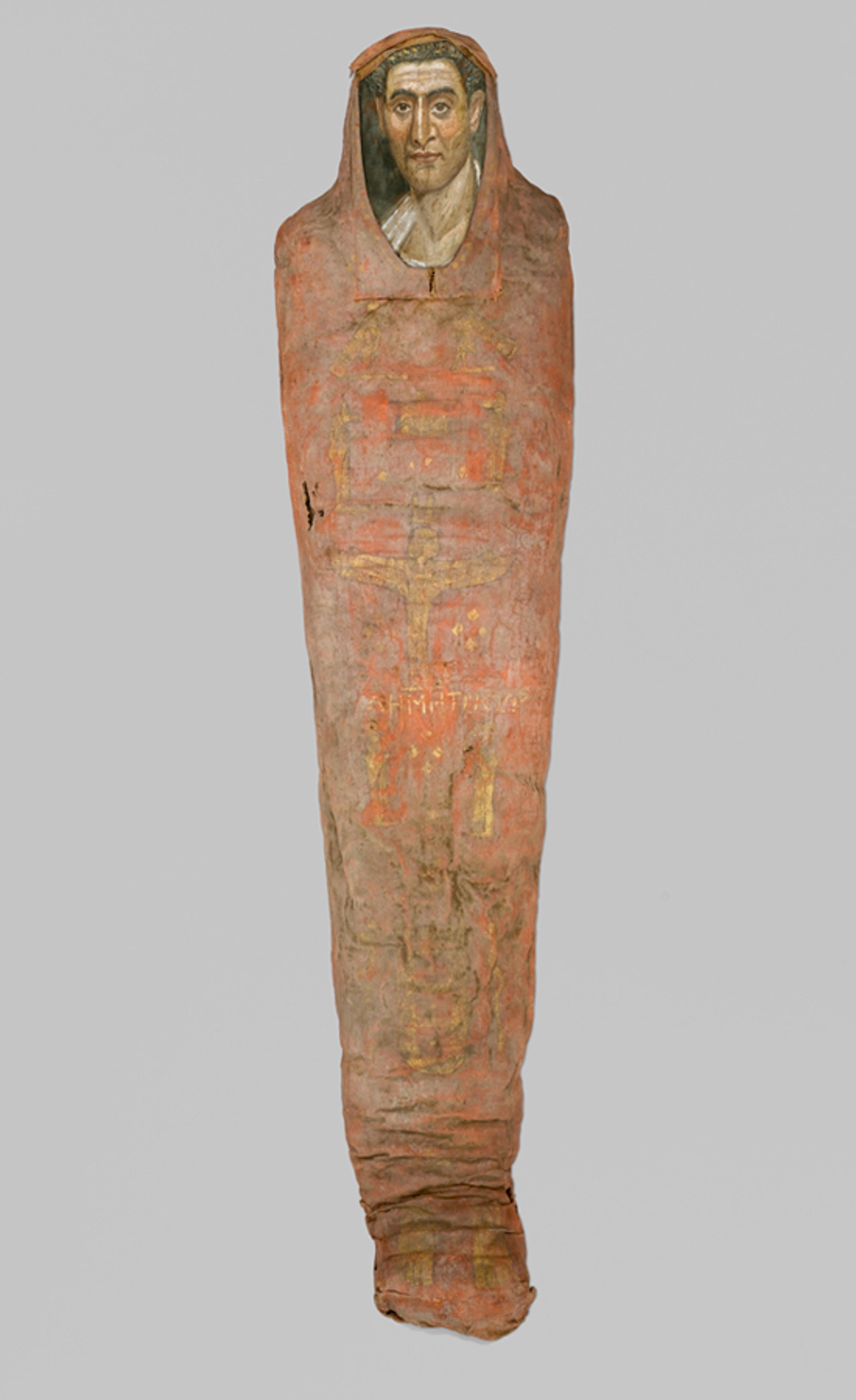
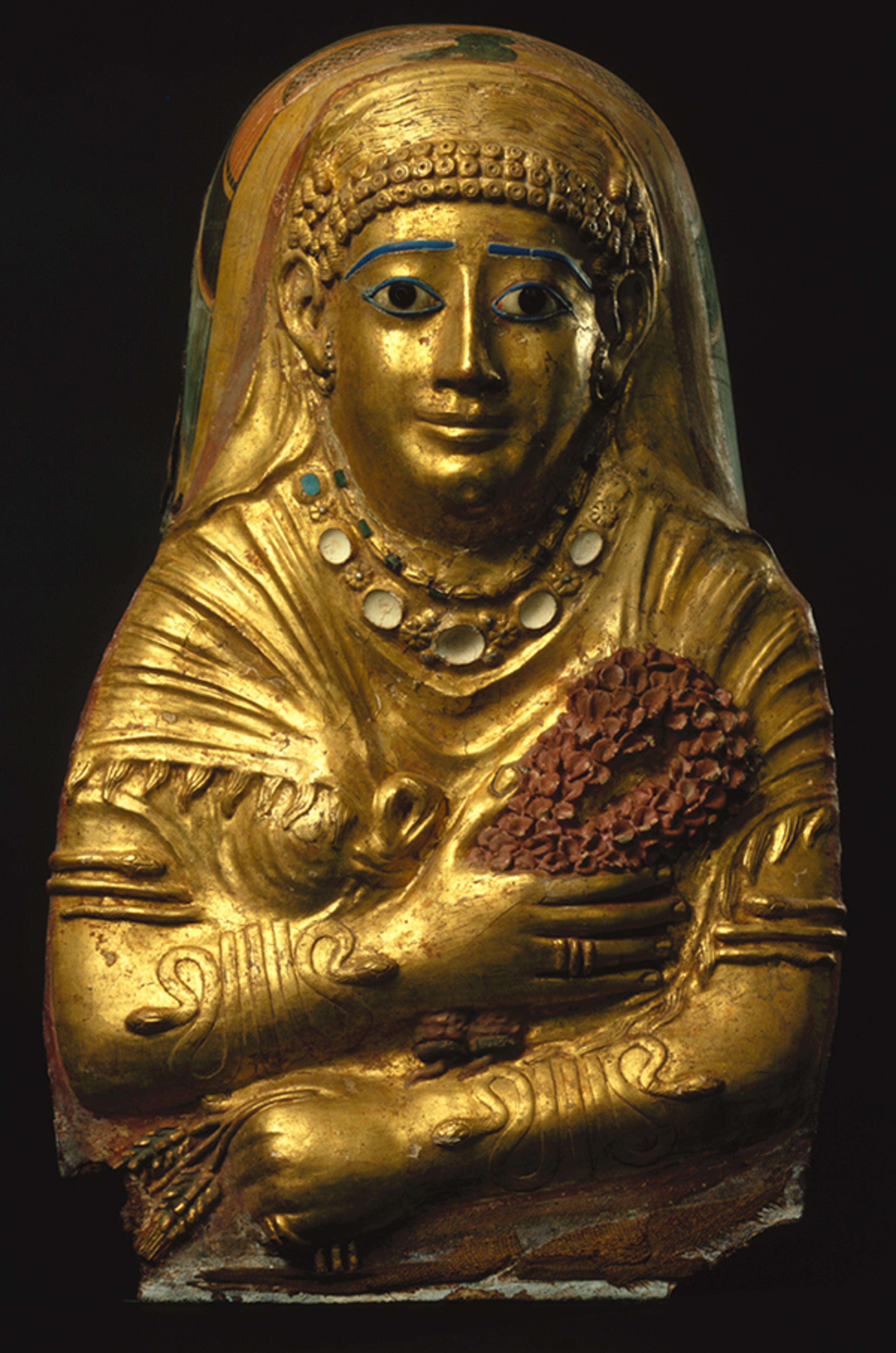
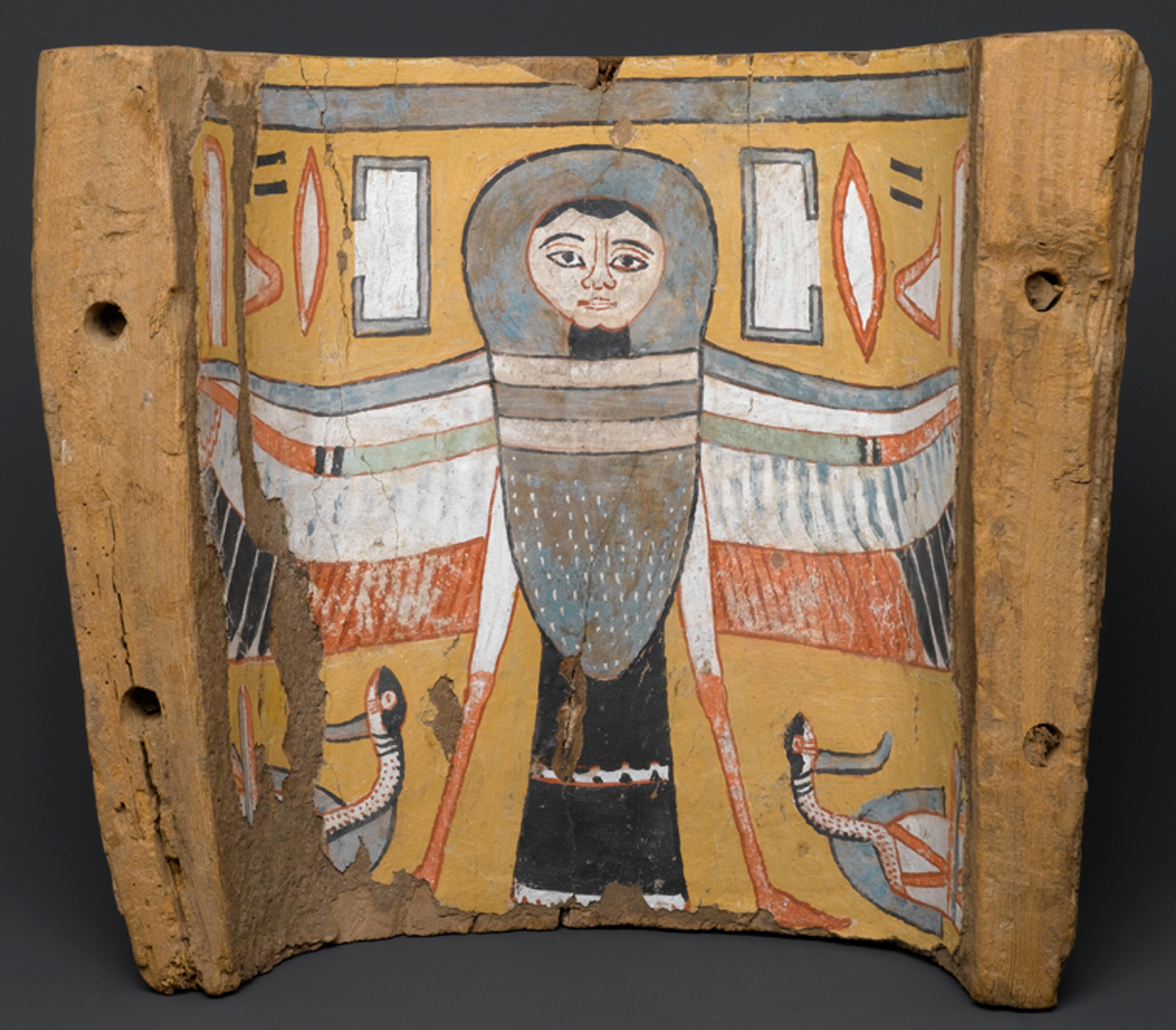
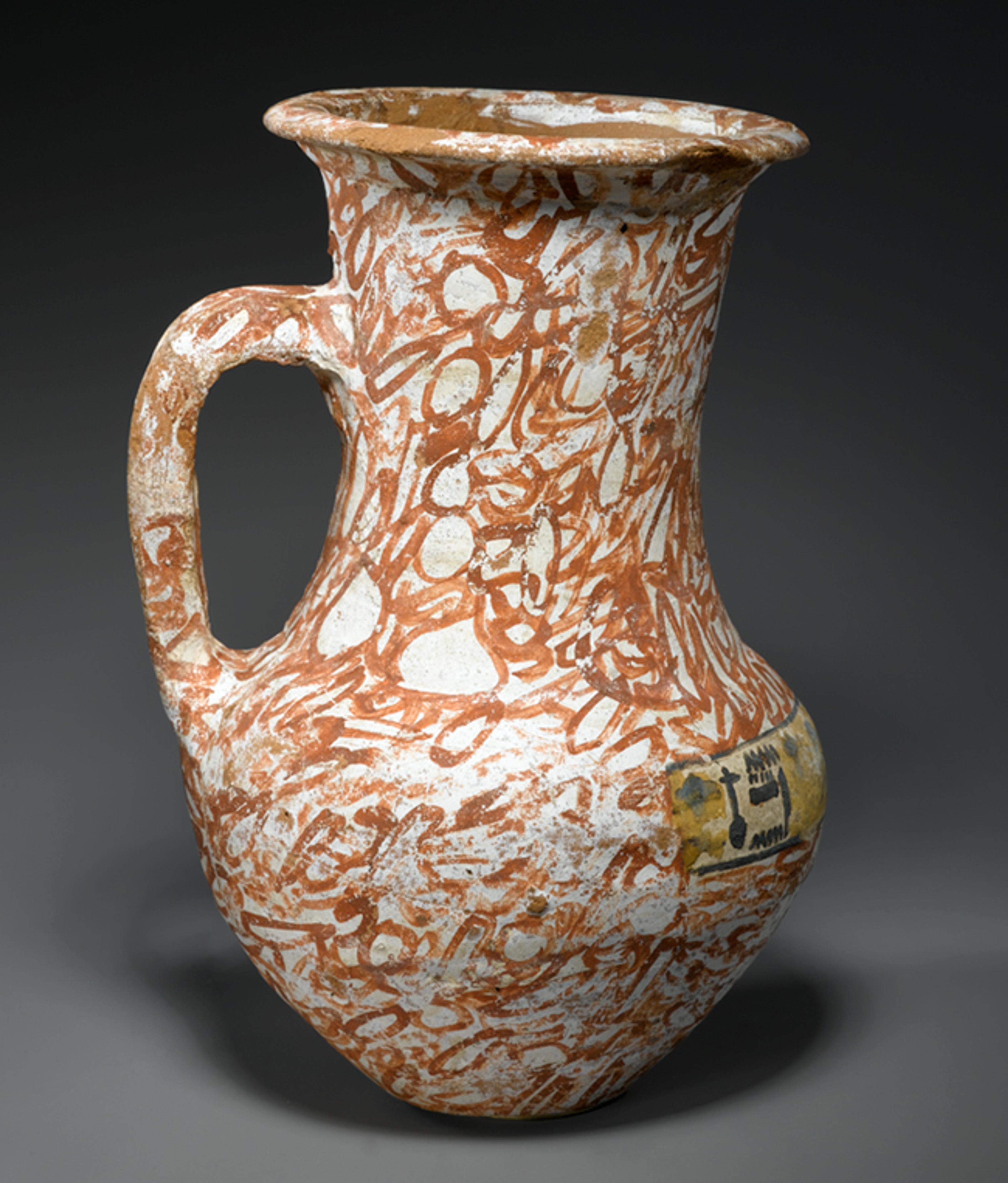
Encompassing more than one hundred objects drawn from the Brooklyn Museum’s world-renowned holdings of ancient Egyptian art, including some of the greatest masterworks of the Egyptian artistic heritage, To Live Forever explores the Egyptians’ beliefs about life, death, and the afterlife; the process of mummification; the conduct of a funeral; and the different types of tombs—answering questions at the core of the public’s fascination with ancient Egypt.
Two of the primary cultural tenets through thousands of years of ancient Egyptian civilization were a belief in the afterlife and the view that death was an enemy that could be vanquished. To Live Forever features objects that illustrate a range of strategies the ancient Egyptians developed to defeat death, including mummification and various rituals performed in the tomb. The exhibition reveals what the Egyptians believed they would find in the next world and contrasts how the rich and the poor prepared for the hereafter. The economics of the funeral are examined, including how the poor tried to imitate the costly appearance of the grave goods of the rich in order to ensure a better place in the afterlife.
Each section of the exhibition contains funeral equipment for the rich, the middle class, and the poor. The visitor will be able to compare finely painted wood and stone coffins made for the rich with the clay coffins the poor made for themselves; masterfully worked granite vessels with clay vessels painted in imitation; and gold jewelry created for the nobles with faience amulets fashioned from a man-made turquoise substitute. Objects on view include Female Figurine—one of the oldest preserved statues from all Egyptian history and a signature Brooklyn Museum object; a painted limestone relief of Queen Neferu; a gilded, glass, and faience mummy cartonnage of a woman; the elaborately painted shroud of Neferhotep; a gilded mummy mask of a man; and a gold amulet representing the human soul.
To Live Forever: Art and the Afterlife in Ancient Egypt is organized by Edward Bleiberg, Curator of Egyptian Art at the Brooklyn Museum.
The exhibition is supported by the Brooklyn Museum’s Charles Edwin Wilbour Fund. Additional generous support is provided by The William Kelly Simpson Foundation, Fred and Diana Elghanayan, and Magda Saleh and Jack Josephson.
The accompanying catalogue is supported by a Brooklyn Museum publications endowment established by the Iris and B. Gerald Cantor Foundation and the Andrew W. Mellon Foundation.
Use your MetroCard to get 2-for-1 admission through May 2.
Organizing department
Special Exhibition